

How to Choose a Pediatrician
A Pediatric provider can be a pediatrician, family practice doctor or nurse practitioner.

A good pediatric provider will do these three things:
1) Be a sounding board.
Your pediatric provider needs to be able to listen to you and provide feedback and education as you navigate the many challenging decisions you make as a parent. Many different vaccinations are recommended and you should be able to discuss each of them with your provider. They should be educated about which ones are most important and the recommended schedules.
2) Growth and weight.
Your pediatrician needs to evaluate your child’s growth and weight according to evidence-based growth charts based on your infant’s feeding method. Formula fed babies follow a different growth pattern than breastfed babies, although the head measurements should be the same. How many wet and dirty diapers your baby has is also critical information to know your baby’s getting enough. A breastfed newborn baby should have 3-5 bowel movements each day and lots of wet diapers after the milk comes in on day three.
3) Detect rare conditions and be aggressive in pursuing diagnosis and treatment.
Although thanks to modern medicine, it is rare, some newborns will die shortly after birth. The three primary causes of death in newborns are infection, heart problems, and inborn errors of metabolism.
Infections typically start in the amniotic fluid during pregnancy or lungs before infecting the whole body, which is known as sepsis. A pediatrician needs to respond appropriately and differently between a two year old with a fever (probably okay to stay home) and a newborn with a fever (needs to go to the hospital immediately). They must understand newborn skin rashes and be able to detect whether they’re from allergens or infections. A good pediatrician understands newborn feeding habits. A newborn who has been nursing well but then refuses the breast could be very ill and should be evaluated immediately. Other newborns may have had a difficult time latching from birth because of a structural issues such as a tongue-tie and may need care from a bodyworker and pediatric dentist to release the tie. Newborn infections can progress in a matter of hours but are not as sudden and severe as heart problems.
Heart problems often have a very sudden onset. Sometimes heart problems go undetected despite the mother having anatomy scans during pregnancy and the newborn having the cardiac pulse oxygen screen performed 24 hours after birth. When the baby has a heart defect, often it will manifest at day 2-3 when the heart duct, which received oxygen from the umbilical cord in utero, closes after birth. A baby that has a heart condition may become blue or grey in color. This baby needs to be taken to the hospital immediately for urgent critical care.
Inborn errors of metabolism are rare genetic conditions which can manifest in different ways. These disorders often involve the baby’s ability to process sugars and proteins. Screening is performed by pricking the infant’s heel and taking a sample of blood on a spot card. This test should be performed after 24 hours to ensure the baby has consumed some protein but within the first 72 hours of life as it takes 5-7 days to obtain the results of this test. Individuals with these genetic conditions lack the ability to break down proteins or sugars, and if these products build up in their brain and tissues it will cause irreversible and sometimes fatal damage. Thankfully many of these serious side effects are preventable with prompt diagnosis and aggressive treatment. You should choose a pediatrician you think is knowledgeable in these conditions and who will respond aggressively when warranted.

How well can my baby see?

When your baby is just born, they cannot see very clearly. They are able to see about the distance from your face to your chest, which helps them bond with you while feeding. As they grow their eyesight becomes sharper. Check out Eye Health Development Milestones to learn which important milestones to watch out for in your baby’s eye development.

How Much Should My Baby Poop?
How much should my baby poop in the first 24-48 hours?
Your newborn should poop within 48 hours of birth. Most babies stool shortly during or shortly after birth. The first stool is dark brown and sticky. It’s made up of a thin hair called lanugo, which covers a baby’s body and falls off during the final weeks of pregnancy. It also contains amniotic fluid, mucous, bile, and cells that have been shed by the skin and intestines. You can apply an unscented non-mineral based oil or lotion on your baby’s bottom to prevent the meconium from sticking. If your baby doesn’t stool within the first 48 hours, call your newborn’s healthcare provider immediately.
How many stools should my newborn have in the first 1-4 days?
After your baby has pooped all the meconium, it may take a day for your baby to stool again. Your breastmilk comes in on the evening of the third day after birth, sometimes longer if you had a cesarean or a lot of bleeding. If you’ve had a baby before it may come in on the second day. Doing lots of cuddling and skin to skin contact with your newborn will help your milk come in. After the milk has come in and you feel fullness in your breasts, your baby’s stools will transition from dark brown and sticky, to lighter brown, green, and then to mustard yellow. Your baby should poop 1-2 times each day and have lots of wet diapers.

How much should my newborn poop after my milk comes in?
After your milk comes in, the baby should have at least 3-5, up to 6-8 mustard colored, yellow, or brown stools a day. The stools should smell like buttered popcorn and may have a curd like appearance. For a poop to count it should be at least the size of your index finger and thumb touching together in the ok sign. It’s very important that your baby stools 3-5 times a day for the first 6 weeks postpartum. If your baby is not stooling this much, find a lactation consultant and talk with your pediatrician. With many breastfeeding challenges, small problems can lead to big ones if not dealt with promptly. Your baby may not be removing enough milk from your breast, or may have difficulty moving their bowels. Babies who are born prematurely have more difficulty moving their bowels than full term babies. A lactation consultant can help you get to the root of the problem. If the problem is due to difficulty moving bowels, strategies such as infant massage, exercises, or warm compresses can help.
Another impact on infant stooling is their gut health. We know that probiotics go through breastmilk. Mothers who are exposed to antibiotics during labor or postpartum may find that taking a quality probiotic and eating a diet rich in onions, garlic, leeks, dandelion, jicama, or Jerusalem artichokes which feed good bacteria helps their infant’s gut health to improve as well as their own.

Infant Massage is a great strategy to help your baby deal with gas and help them move their bowels
How much should older babies poop?
Many people are told that after 5-6 weeks it’s normal for newborns to store up stool and only have a bowel movement every few days, even only once per week, so long as it’s a very large bowel movement. Jennifer Tow is a lactation consultant who specializes in infant gut health and she has another perspective. Human milk is full of complex sugars that can only be digested by the bacteria in the infant’s gut. This bacteria grows after birth from the mother’s milk and results in soft and regular bowel movements. If the stool is few, green, watery, or the baby has skin issues, colic, difficulty sleeping, poor appetite and growth then consider seeking a provider who is educated in gut health and healing. Improving the mother’s gut health will improve the baby’s. You can read more about it on her website here.
Has your baby had difficulty pooping? We’d love to hear your comments!

Brain Building Pesto With Asparagus
Asparagus, parsley, and basil are rich in the anti-inflammatory antioxidant quercetin and folic acid, which nourishes the growing baby’s brain and spinal cord. Serving it over zucchini noodles increases enzymes in food to balance blood sugars. The Romano and anchovies are rich in calcium and minerals. The combination of the crunchy vegetables, tangy tomatoes, and salty Romano will have your taste buds coming back for more!
Asparagus, parsley, and basil are rich in the anti-inflammatory antioxidant quercetin and folic acid, which nourishes the growing baby’s brain and spinal cord. Serving it over zucchini noodles increases enzymes in food to balance blood sugars. The Romano and anchovies are rich in calcium and minerals.

Ingredients
For the pesto:
1 cup of parsley
2 cups of basil
1/4 cup sundried tomatoes
4 cloves of garlic
1/2 cup extra virgin olive oil
1/4 cup pine nuts or shelled pistachios
For a dairy free version or for added calcium and vitamins add 3 anchovies
For the sauté:
2 carrots sliced
1 red bell pepper cut into slices
1 bunch of green onions cut into 1” pieces
1 bunch of asparagus chopped into 1” pieces
For the noodles:
3 small zucchinis shaved into thin strips with a potato peeler
juice of 1/2 lemon
salt and pepper
Romano cheese to taste.
Toss the zucchini, lemon juice, salt, and pepper in a bowl and place in fridge for 20 minutes.
Blend the parsley, basil, sundried tomatoes, garlic, olive oil, pine nuts, and optional anchovies together in a food processor.
Sauté all vegetables, except zucchini, lightly. Add in the pesto from the food processor. Serve over zucchini or pasta and season with Romano cheese to taste.


What is Baby Led Weaning?
Baby led weaning is a philosophy of introducing solid foods in a way that allows your baby to control their experience. It is very sensory. They get to fully engage in the variety of colors, flavors, and textures of food verses the “baby food” pureed method. With baby led weaning babies are eating the same foods that the rest of the family is eating. It’s affordable and easy to do. No special foods need to be prepared.
In the 1900s experts recommended introducing grain cereals to babies before other solid foods. Research has since shown the first foods babies need are iron and protein rich foods. Breastmilk is high in sugars and at nine months, the protein content of breastmilk dips slightly. Due to breastmilk’s high amount of carbohydrates, the last foods breastfed babies need added to their diet are grains and sugary foods.
Remember that introducing solid foods to your baby is just as much about their learning as it is about nutrition, so have fun with it!

What are some foods to share?
Bright colored foods are fun and packed with phytonutrients!
How do I know if my baby is ready?
Age. Is my baby over 6 months old? 6 months of age doesn’t guarantee babies are ready for solids. Some may not be ready until up to 12 months old.
Trunk support. Can my baby sit upright on their own?
Hands to mouth. Is my baby able to bring toys to their mouth on their own?
Pincer grasp. Is my baby able to grasp with their fingers? Would they be able to pinch and pick up foods?
Interest in food. Are they showing interest in family meals? Have they tried to grab food when people are eating?
What meals can my family eat with our baby?
Here are some examples:
Stew. Take chunks of meat and vegetables and put them on the highchair tray.
Rice and beans. Give your baby a small bowl so they can pick up beans with their fingers. Add some chunks of avocado.
Scrambled eggs and toast. Your baby can try egg curds and piece of toast
Grilled chicken breast and vegetables. Try chicken breast strips and spears of vegetables.
Roast broccoli with tofu. Give whole pieces of broccoli to hold and munch on and slices of tofu.
Check out our breastfeeding Youtube playlist below for more information and be sure to subscribe to our channel for new content!

Try this Neapolitan Pudding for Hormone Balance
Chia seed pudding is one of the best things you can eat to increase your fiber consumption and balance your hormones due to it’s high fiber and iron concentration. Chia seeds are naturally low in carbohydrates. The fiber works to remove excess hormones in your body and balance your blood sugars. This recipe is diabetic friendly, gluten free, and wonderful for anybody trying to lose weight, especially on the abdomen. It can be used to help ease morning sickness and relieve first trimester constipation.

Chia seed pudding is one of the best things you can eat to increase your fiber consumption and balance your hormones due to it’s high fiber and iron concentration. Chia seeds are naturally low in carbohydrates. The fiber works to remove excess hormones in your body and balance your blood sugars. This recipe is diabetic friendly, gluten free, and wonderful for anybody trying to lose weight, especially on the abdomen. It can be used to help ease morning sickness and relieve first trimester constipation.

Recipe
1/2 cup chia seeds
1 can full fat coconut milk
1-3 drops of almond extract
1-3 drops of stevia (optional)
Quart Mason jar
1/4 cup chopped almonds
2 pieces dark chocolate cut into small pieces
3/4 cup chopped frozen or fresh cherries
Mix your chia seeds, coconut milk, almond extract and optional stevia in a mason jar. Fill the mason jar to the top with water and stir. Let chia seed pudding set for 30 minutes at room temperature or overnight in the refrigerator to allow chia seeds to bloom. Once the chia seeds have bloomed, stir the mixture again.
Dish up a serving of the pudding. Add in chopped almonds, cherries, and dark chocolate. Enjoy!
*Note: For a fat-free version, replace water and coconut cream with plant-based milk such as almond or flax.

Our Favorite Pregnancy Books, Blogs, and More
Whether you’re pregnant for the very first time or are expecting another child, it can be challenging to weed through the influx of information and resources available about pregnancy. There are countless approaches on how to safely care for you and your baby, and many publications dedicated to supporting you throughout your prenatal and postpartum journey. We’ve hand-picked a few of our favorite resources that we encourage you to explore if you’re seeking additional information and perspective to support you throughout pregnancy.

Whether you’re pregnant for the very first time or are expecting another child, it can be challenging to weed through the influx of information and resources available about pregnancy. There are countless approaches on how to safely care for you and your baby, and many publications dedicated to supporting you throughout your prenatal and postpartum journey. There are books, podcasts, blog posts, online communities - you name it - whose sole purpose is to empower women with ample information about the many different ways to approach pregnancy and all that comes with it.
We’ve hand-picked a few of our favorite resources that we encourage you to explore if you’re seeking additional information and perspective to support you throughout pregnancy:
Books |
Mama Natural Week by Week
This week-by-week pregnancy guide arms you with the information needed to move through pregnancy from a natural perspective. The author, Genevieve Howland, is determined to demystify natural pregnancy and empower women in their journey.
Mindful Pregnancy by Traccy Donegan
This book is grounded in science and provides natural pregnancy advice and techniques presented in a calm and friendly way - one trimester at a time. Meditation, yoga, hypnobirthing, natural remedies, nutrition, and more are all found inside this book.
The Natural Pregnancy Book by Aviva Romm
Bringing more than 20 years of experience in alternative and allopathic nutrition, Aviva Romm shares a holistic approach to pregnancy, emphasizing natural remedies wherever possible and providing up-to-date advice on herbs for wellness. She provides tips for diet, exercise and posture, and info on both the emotional and physical changes that childbirth can bring about.
Nutrition Books:
Real Food For Pregnancy - Lily Nichols
This unconventional approach to prenatal dieting gives you an easy-to-follow guide for making the best food and lifestyle choices during pregnancy. With it, achieve optimal prenatal nutrition without limiting your diet and depriving yourself of vital nutrients for you and your baby.
The First Forty Days
Rather than focusing on a prenatal diet, this dietary book reveals the importance of managing your nutrition in the first forty days following childbirth, including 60 simple recipes you can make at home. This book is designed to provide women with a source of connection, nourishment, and guidance postpartum.
The Postnatal Depletion Cure
Childbirth can have long-lasting effects on women and their bodies. Yet, most resources simply focus on the weeks leading up to or following pregnancy. Dr. Serrallach explains how women can restore their health and vitality in the long-term using nutrition, gentle exercises, and simple strategies to get you feeling like yourself again.
Websites and Blogs |
Spinning Babies
This website offers a variety of videos, blogs, and resources for learning how to have an easier birth by improving fetal positioning.
Miles Circuit
Similarly to Spinning Babies, this website offers a wealth of information related to rotating your baby using natural techniques in order to relieve discomfort, make adjustments for labor, and ensure that the baby is in an excellent position.
Birth Without Fear
A judgment-free guide to pregnancy, childbirth, and postpartum that puts mothers first. Inside, you’ll find straightforward, no-fluff advice that empowers expecting families with guidance surrounding everything involved with having a baby.
Other Resources |
Hypnobirthing Class
We highly recommend enrolling in a local hypnobirthing class. These involve the practice of relaxation, visualization, and mindfulness techniques that can be helpful during labor. The ideal time to start classes is between 25-29 weeks of pregnancy, but you might be able to benefit from classes up until full term.
Birthing Stories
Sometimes hearing someone elses birthing experience can be helpful in shaping our own. We encourage you to share birth stories with friends and family, but if you’re looking for some additional stories we recommend reading the following:
Ina May’s Guide to Childbirth
Baby Catcher
Spiritual Midwifery
Wherever you are in your pregnancy journey, we’re here to support you. If you have questions or would like to explore the birthing options we have available, please reach out to us and schedule a free discovery call with our team to learn more.
Boost Your Health and Wellness With Tinctures
Tinctures have been increasing in popularity throughout the wellness industry. These products have grown in fame among those looking to incorporate herbal remedies into their daily lives. When used correctly, they can help to improve one’s physical and mental health.

Tinctures have been increasing in popularity throughout the wellness industry. These products have grown in fame among those looking to incorporate herbal remedies into their daily lives. When used correctly, they can help to improve one’s physical and mental health.
What are tinctures?
A tincture is simply a liquid made by steeping herbs in alcohol, which helps to extract the medicinal properties of the herb. Tinctures are also easy to ingest, travel with, and safely store. They tend to be highly concentrated and long-lasting, meaning that they have a much longer shelf life than fresh or dried herbs.
Why use tinctures?
With their highly concentrated medicinal properties, tinctures are a great and effective way to ingest natural vitamins and nutrients that can have positive effects on your body.
Are tinctures safe to consume during pregnancy?
Tinctures are made from natural herbs and are typically safe for pregnant women to ingest. In fact, they can have positive effects on both mother and baby. However, you should consult your doctor to discuss if tinctures are right for you.
How should one ingest tinctures?
Tinctures can be ingested in a multitude of ways. You can place them directly under your tongue, which is the fastest path for absorption. You can also place them into a small amount of water or a hot tea. Alternatively, you can take them with honey or lemon to ease the taste.
What tinctures would you recommend using if you’re pregnant or a new mother?
There are many different tinctures that can positively affect expecting or new mothers, but our favorites are Motherwort, Lemon Balm, and Goat’s Rue. We also love Wish Garden’s AfterEase tincture, which is great for a woman’s postpartum period.
The Motherwort tincture is like receiving a big hug. It’s a traditional postpartum tonic used for helping feelings of postpartum depression and overwhelm. Additionally, Lemon Balm is an antiviral herb that can be used to help relieve anxiety and can reduce the chance of herpes outbreaks. Goat’s Rue helps to soothe milk ducts and boost milk supply. It’s especially helpful for women who have been unable to fully breastfeed due to insufficient milk supply stemming from IGT. This may include women with poly cystic ovarian syndrome (PCOS), Type 2 Diabetes, and obesity. Lastly, AfterEase works really well at relieving afterbirth cramps.
Interested in trying tinctures? Our online shop sells a variety of different tinctures to support women throughout their prenatal and postpartum journeys. However, tinctures can be beneficial for anyone interested in boosting their physical and mental wellbeing.
*These statements have not been evaluated by the FDA. This product is not intended to diagnose, treat, cure, or prevent any disease. If you are pregnant or breastfeeding, please discuss with your healthcare practitioner prior to use.

Natural Teas to Support Women In Pregnancy
During pregnancy, many women have found comfort and nourishment through herbal teas. Certain herbs are believed to be effective means of helping the liver and nervous system, providing digestive and antiviral support, and acting as a uterine tonic and anti-inflammatory. The following are natural herbs and plants that can provide relief and support to women who are pregnant.
For centuries, herbal medicine and plants have been used to nourish, care for, and fuel human’s bodies. During pregnancy, many women have also found comfort and nourishment through herbal teas. Certain herbs are believed to be effective means of helping the liver and nervous system, providing digestive and antiviral support, and acting as a uterine tonic and anti-inflammatory. Together, herbs can make for a hyper-nourishing drink for expecting mothers throughout their pregnancy journey.
The following are natural herbs and plants that can provide relief and support to women who are pregnant:
Red Raspberry Leaves
By far the most renowned herbal tea used by pregnant women are Red Raspberry leaves. They’ve been used for centuries as a tonic during pregnancy, with many studies pointing to the plants’ uterine relaxant effects. Red raspberry leaves are safe to consume during pregnancy and contain calcium, Vitamin C and B complex vitamins, vitamin E, beta carotene, iron, and other minerals including potassium and phosphorus. They also include an alkaloid called fragrine, which gives tone to the pelvic muscles and uterus.
By consuming a recommended 2-3 cups of red raspberry leaf tea daily, one may experience the following effects:
● Reduced fevers
● Controlled bleeding
● Eased morning sickness
● Increased fertility
● Prevention of miscarriage or hemorrhage
● Help bringing an undelivered placenta
● Reduced pain during labor and birth by toning the uterus
● Increased milk production
● Maintaining a strong immune system
● Safely provide absorbable vitamins and minerals for you and your developing baby
Nettle
With more chlorophyll than any other herb along with calcium, potassium, phosphorus, iron, and vitamin A, C, D, and K, Nettle is a popular herb among pregnant women. It can be particularly beneficial for reducing leg cramps and other muscle spasms because of its high calcium content. The vitamins in nettle can increase the iron in one’s blood and reduce risks of hemorrhage. They also can strengthen the blood vessels, which reduces the risk of hemorrhoids and increases the amount of breast milk a mother produces.
Spearmint
This common herb contains many properties that can contribute to our overall health on a regular basis. Spearmint can help to regulate one’s body temperature, lubricate joints, prevent infections, deliver nutrients to cells, and help maintain organ function. It can also act as a digestive and antiviral that is safe for pregnant women to consume.
Disclaimer: These statements have not been evaluated by the FDA. These products are not intended to diagnose, treat, cure, or prevent any disease.
The Cincinnati Birth Center recently opened our online shop, supplying expectant mothers with a range of products to support them during pregnancy. Our Potent Pregnancy Tea is the perfect blend of red raspberry leaf, nettles, alfalfa, oatstraw, and spearmint to boost nourishment before, during, and after pregnancy. Shop now and add this simple, delicious drink supplement to your shopping cart.
Resources:
For additional information and references:
Weed, S. (1986) Wise Woman Herbal for the Childbearing Year. New York: Ash Tree Publishing.
Gladstar, R. (1993) Herbal Healing for Women. New York: Fireside.
Tierra, M. (1998) the Way of Herbs. New York: Pocket Books.
www.susunweed.com
http://www.botanical.com/botanical/mgmh/r/raspbe05.html
For red raspberry leaves: Meghan Nowland, www.morethanalive.com, or www.blessedherbs.com
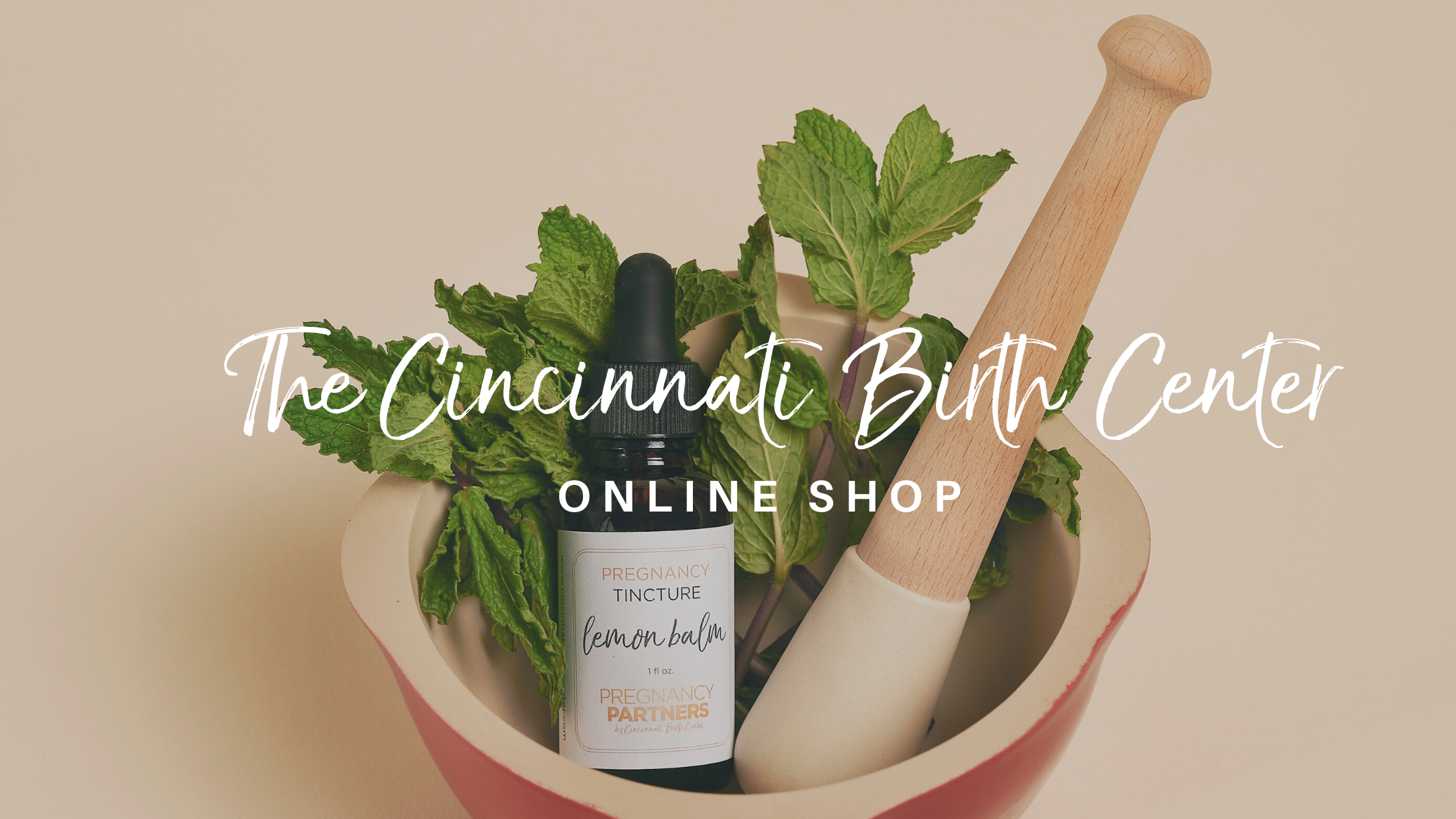
Introducing The Cincinnati Birth Center Online Shop
It’s always been our mission to create a safe space for women and their families to grow, so we felt it was due time that we create products that support that mission. We’re thrilled to officially introduce the Cincinnati Birth Center’s very own shop!

Amid the construction of the birth center, growing our team, and supporting dozens of Cincinnati families throughout their birth journey, we’ve been hard at work behind the scenes on a special project. It’s always been our mission to create a safe space for women and their families to grow, so we felt it was due time that we create products that support that mission. We’re thrilled to officially introduce the Cincinnati Birth Center’s very own shop!
Browse our prenatal and postpartum products online, ranging from teas to tinctures and vitamin supplements, or visit our birth center in person. Our shop’s products are derivative of natural health remedies and are made to support women in every stage of their birthing journey. Inside the Cincinnati Birth Center shop, you’ll find:
Teas

Potent Pregnancy Tea
This delicious blend of red raspberry leaf, nettles, alfalfa, oatstraw, and spearmint is an excellent way to boost nourishment before, during, and after pregnancy. Each of these ingredients supports one’s body in different ways. Together, they make for a hyper-nourishing drink:
• Red raspberry leaf is a traditional uterine tonic and anti-inflammatory
• Nettles build a healthy blood volume and support the liver
• Alfalfa is rich in vitamin K and trace minerals
• Oatstraw is rich in calcium and magnesium, supporting the nervous system to help with sleep
• Spearmint is a digestive and antiviral herb safe for pregnancy
*These statements have not been evaluated by the FDA. This product is not intended to diagnose, treat, cure, or prevent any disease.
Tinctures

Afterease
Relaxing herbs to ease afterbirth discomfort. Highly recommended for mothers who are giving birth to their third or subsequent child.
Happy Ducts
Lymphatic herbs to support healthy ducts.
Sleepy Nights During Pregnancy
This is an all-time favorite one of our products.Sleepy Nights During Pregnancy offers classic herbal support for sleep without sedation.

Postpartum Goat's Rue
Goat’s Rue is a traditional galactagogue that helps to soothe the milk ducts. It is especially helpful for women who have been unable to fully breastfeed due to insufficient milk supply stemming from insufficient glandular tissue (IGT). This may include women with polycystic ovarian syndrome (PCOS), type 2 diabetes, and obesity.
Lemon Balm
Lemon balm is an antiviral herb that is safe for use during pregnancy. It helps to relieve anxiety and can reduce the chance of herpes outbreaks.
Postpartum Motherwort
Motherwort (or leonurus cardiaca in Latin) is a traditional postpartum tonic herb to help with feelings of postpartum depression and overwhelm. The effects of the herb are akin to receiving a big hug.
*These statements have not been evaluated by the FDA. This product is not intended to diagnose, treat, cure, or prevent any disease. If you are pregnant or breastfeeding, please discuss with your healthcare practitioner prior to use.
Supplements

Integrative Therapeutics Liquid Calcium Magnesium
These supplements are excellent for prevention of leg cramps and relief of constipation during pregnancy. They also help to improve sleep and can reduce nausea in early pregnancy..
Gaia Herbs Liquid Iron
Maintaining healthy iron levels is essential to feeling energetic, vibrant, and healthy during pregnancy. Gaia Herbs PlantForce Liquid Iron helps support healthy iron and energy levels and is appropriate for pregnant and breastfeeding women.
This great-tasting vegetarian iron supplement is gentle on the stomach, easy-to-digest, and non-constipating. It’s made with nourishing foods and botanicals including Sea Buckthorn, beetroot, dandelion, and nettle leaf. It’s lightly sweetened with organic honey and fruits, including elderberry and acerola.

Vitamin D3/K2 Drops
Vitamin D3 is important to help prevent gestational diabetes, high blood pressure during pregnancy, and reduce pain during labor. It is also important to take during the winter months, as Cincinnati does not get enough sunshine during the winter to support adequate levels of Vitamin D.
Vitamin D3/K2 can be taken by breastfeeding mothers to support healthy vitamin D levels in breastmilk, which can directly supplement the infant rather than using infant vitamin D drops. We encourage all of our patients to take vitamin D3 throughout the year, but especially during the winter months.
Each drop has approximately 2,000 IU of D3/K2. We recommend a dosage of 3 drops per day.

CoQ10 by Jarrow Formulas
Our #1 recommendation for women suffering from chronic headaches or migraines is CoQ10 - an important antioxidant found in high concentration in the human heart and liver. It’s part of the cell’s electron transport system and is needed for ATP (energy) production within the cells.
Jarrow Formulas Co-Q10 is derived from fermentation and consists only of the natural trans configuration, the same as is synthesized in the human body.
Papaya Enzymes
Digestive enzymes, such as those naturally found in papaya, papain, and protease, are essential to the body’s absorption of food nutrients. These are a great natural treatment for relieving heartburn in pregnancy. This product is made from real papaya and comes in the form of delicious, chewable wafers. It is certified vegan, gluten free, and kosher.
Our team is thrilled to celebrate the official launch of our new shop and look forward to hearing from clients and their families on how each of these products impact their birth experience. To explore our range of products and begin shopping online, visit https://www.cincinnatibirthcenter.com/shop.