


What is a birth assistant?
A Birth Assistant is trained to help the midwife at a birth.
A Birth Assistant is trained to help the midwife at a birth.
At Cincinnati Birth Center, we bring two midwives or one midwife and a trained birth assistant to each birth. Each assistant is fully trained in neonatal resuscitation and can help if the baby needs help to breathe. Our birth assistants are trained doulas and know how to support you emotionally and physically. Most birth assistants are also training to become midwives.
During births, a birth assistant may assist the midwife in taking the mother’s blood pressure, temperature, pulse, listening to baby’s heart tones, and setting up supplies. The birth assistant helps to bring you things, such as a cold washcloth for your head, or an electrolyte beverage to sip on between contractions.
The birth assistant may also help the midwife with your electronic record, recording things such as when you have something to eat or drink, or when the baby’s head is born.
If there are any complications or emergencies that develop, birth assistants also know how to best assist the midwife. For example, if the mother is having too much bleeding, the birth assistant knows the midwife’s protocol for how to control the bleeding and can help the midwife. Usually births happen without any complications, but it’s good to know that the midwife brings a team!
How Can I Prevent High Blood Pressure in Pregnancy?
If you’re afraid of developing pre-eclampsia or high blood pressure during your pregnancy I’ve got good news for you! There are a few simple things you can do for prevention!
If you’re afraid of developing pre-eclampsia or high blood pressure during your pregnancy I’ve got good news for you! There are a few simple things you can do for prevention!

Sunshine…
So important for a healthy pregnancy!
Vitamin D3 and K2.
These two vitamins work together to balance your hormones that regulate your blood pressure and fertility. The ideal way to get vitamin D is through 15-20 minutes or sunlight each day. Unfortunately in Ohio, we have many cloudy days. Instead you can obtain it through eating mushrooms, pastured egg yolks, and pork fat. Vitamin K is found in fermented foods such as brie cheese, kimchi, and a weird Japanese product called natto. It’s also present in the fat of grass fed animal fats; pasture raised butter, pastured egg yolks, grass fed meats. If you struggle with anxiety or depression, can’t go outside frequently, or suspect you have low vitamin D3, talk to your provider about supplementation. It’s safe to supplement up to 6,000 IU of vitamin D3 each day.

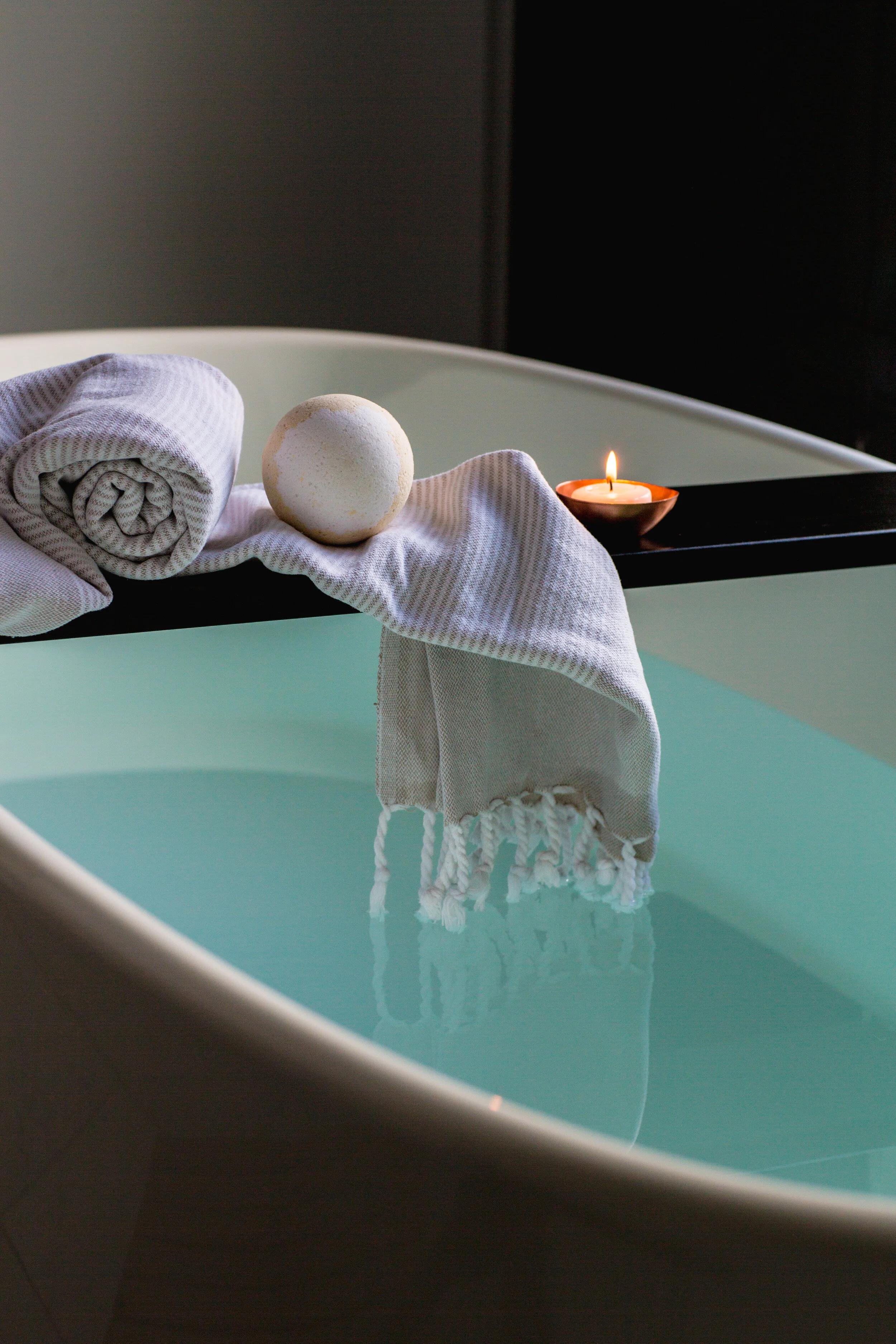
Daily baths
with epsom salts nourish your cells with magnesium
Magnesium; at least weekly epsom salts baths (2 cups for 20 min).
If you don’t have a bathtub or absolutely cannot do epsom salts soaks, I recommend doing Integrative Therapeutics liquid magnesium with the ratio 2:1 for magnesium and calcium. Magnesium helps with muscle function, stabilizes mood, prevents headaches, and helps with electrolyte balance. Magnesium helps every cell in your body function.

Seafood twice weekly
supplies your body with nutrients such as omega 3s.
1,000 mg Omega 3s (one teaspoon of cod liver oil or 1 tablespoon of hemp seed oil)
These can prevent preeclampsia but should be discontinued at 36 weeks. Alternatively eat seafood at least twice weekly.

Eat the colors of the rainbow
Micronutrients
Eat your colors! There is good data that shows micronutrients reduce inflammation and blood pressure issues in pregnancy. The bright colorful fruits and vegetables have the highest levels of micronutrients. I also recommend a supplement called Juice Plus because it’s 30 fruits and vegetables that are harvested at peak ripeness and dried at a low temperature. There has been a study done on it in pregnancy which showed reduced rates of pre-eclampsia.
Sleep.
Quality and quantity.

Sleep is a vital part of growing a healthy baby

How can I prevent my baby from being born premature?
Did you know you have power to help keep your baby from being born too early? Claim it! Here’s a few simple steps you can take…
Did you know you have power to help keep your baby from being born too early? Claim it! Here’s a few simple steps you can take:

Eat foods with protein
Every snack or meal you eat needs to include protein. Fish and seafood. Eggs. Meat. Cheese. Nuts. Yogurt. Beans. Dark leafy greens. Seeds.
Drink at least 8 glasses of water each day.
Dehydration will cause contractions. Drink lots of water each day. If you have trouble with water, purchase a pitcher and fill it up in the morning and drink from it throughout the day to measure your intake. When you pee, the toilet bowl shouldn’t change color too much. If it does, keep drinking! It’s annoying to go to the bathroom all the time but so worth it!
Hire a midwife (this one’s our favorite)!
Yes! Hiring a midwife cuts down your risk of having a baby preterm almost completely! Why you ask? Because midwives spend LOTS of time in prenatal appointments answering your questions, brainstorming with you about how to boost your diet, and finding solutions with you for all sorts of pregnancy related issues.
Drink good bugs.
Your immune system is made up of several pounds of good bacteria (you may know them as probiotics)! These good guys live on your skin, mouth, gut, and in your vagina. When your good bacteria are down, bad bacteria can take over and cause bad breath, cavities, sickness, and preterm birth. Boost your good bugs by staying away from sugary processed foods and eating or drinking probiotics. Foods kefir or yogurt, kombucha, water kefir, sauerkraut, kimchi, natto, miso, and pickles are full of probiotics. Choose pickles and sauerkraut that come from the refrigerated section (Claussen are my favorite), because only the refrigerated kind have probiotics.
Eat the rainbow
A diet low in micronutrients will increase your chance of developing pregnancy complications and having your baby too soon. Look for fresh fruits and vegetables that are rich in colors. The brighter, the better. Eat as many colors as you can throughout the week in the form of fresh fruits and vegetables. I also recommend taking a supplement called Juice Plus to boost your levels of micronutrients.
Chocolate.
Doing things that make you feel good increases happy hormones in the brain called endorphins. When these hormones are boosted it goes to your baby and tells them to grow big and healthy. So be intentional about doing things you love during this pregnancy! When was the last time you took a bath with two cups of epsom salts for relaxation? Have you asked your partner or kids to give you a massage recently? How about just sitting down for a minute to enjoy a nice hot cuppa? If it’s hard for you to do nice things for yourself, consider that even small kindnesses you do to yourself will bring positive change to you and your family for years to come!

Chocolate increases levels of feel good hormones in the brain!
What is the difference between a doula and a midwife?
Midwives on the other hand, are the most expert care providers for low risk pregnancies and normal births. Midwives monitor the physical, emotional, and spiritual wellbeing of the pregnant client , newborn, and family throughout the maternity care cycle.

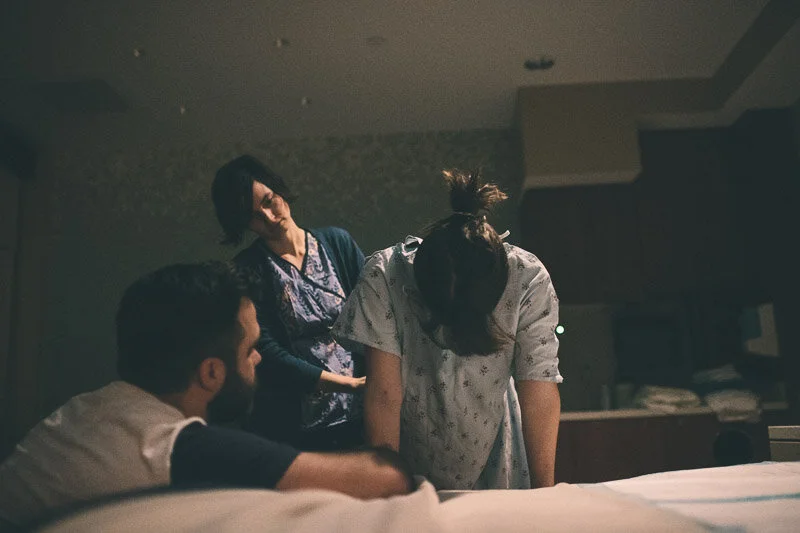
A doula provides emotional and physical support for the pregnant person and partner during labor. Doulas know about medical procedures and can provide information and education. They are also trained in relaxation methods and tools such as massage, acupressure, helpful position changes, and use of a rebozo.
Midwives on the other hand, are the most expert care providers for low risk pregnancies and normal births. Midwives monitor the physical, emotional, and spiritual wellbeing of the pregnant client , newborn, and family throughout the maternity care cycle. There is a wide variation of what is normal for pregnancy and birth. Midwives understand this and also know when a person is no longer in the healthy, low-risk category, and need increased monitoring or assessment. During labor, midwives encourage eating and drinking, movement, position changes, and intermittent monitoring of the baby with a hand held doppler (which is the gold standard for low risk clients). Midwives encourage skin-to-skin contact with the mother and baby, which causes breastfeeding. After the baby is born, midwives are trained to provide well-baby care for the first six weeks of life.
Are you wondering which would be best for you? Contact us to set up a free consultation. We’d be happy to provide you with more information!

Do you know your parental rights?
Sadly, I’ve been a midwife long enough to see firsthand the abuse of power over parental rights. In the US if a medical provider believes their medical recommendation is superior the parent’s belief about what is best for the child, the medical provider has authority to remove the child from their parents.
Take this quiz:
https://parentalrights.org/quiz/
Sadly, I’ve been a midwife long enough to see firsthand the abuse of power over parental rights. In the US if a medical provider believes their medical recommendation is superior the parent’s belief about what is best for the child, the medical provider has authority to remove the child from their parents. This happens disproportionately more to those in poverty, black families, and in families with an individual who has disabilities.

You know what’s best
for your child and family
How can you protect your family?
Research your family’s providers to find someone who aligns with your beliefs. You may be more vulnerable if you choose an alternative vaccine schedule, homeschool, or choose to give birth outside of a hospital, so find a provider who is familiar with these things. Local Facebook communities are often a good place to find recommendations
2. Dress to impress. If you need to take your child to the hospital, you will be treated differently depending upon your outfit. Try to wear something clean and professional. You are more likely to be treated poorly if you look young, avoid adolescent clothing.
3. Build community. Find a community of people who support you. Should you take your child in after they bumped their head? Is the illness worth a trip to the doctor? It’s great to have another experienced parent or nurse friend you can talk to who can give you perspective when you’re not sure what to do because you are in the trenches of new parenting or you’re emotional because it’s your child.
4. Don’t go by yourself. Bring your partner, parent, sibling, doula, or friend who is a medical professional. It’s really hard and scary to have a child who needs medical attention. Going with someone who can support you, listen to staff with you, and help you navigate medical decisions can be invaluable. They can also help you avoid defensive language.
5. Use negotiation skills and don’t be afraid to speak up for what you want. You are the best decision maker for your child! Thankfully the vast majority of healthcare physicians believe that and will support you in your decision making!
Like what you see? Comment to subscribe to our newsletter!

Healthy Thanksgiving Recipes To Satisfy Your Sweet Tooth
Happy Thanksgiving! Here are some suggestions for how to feast…

Happy Thanksgiving!
Here are some of our suggestions for how to feast
It’s so easy to go overboard with the sugar around the holidays. Tips on how to keep your blood sugar balanced are to accompany sweets with protein and fats, keep hydrated (carbs require more water to digest), stick to serving sizes (think 1/2 cup for rice, potatoes, and higher carb foods), and eat lots of fiber from fresh and cooked vegetables (brussel sprouts, salad, carrots, slaw, etc), seeds, and whole grains.
Here’s some healthy recipes to try:
If you’re wondering how to make healthy desserts that avoid common allergens such as wheat and dairy see:
Magdalena Wszelaki’s gluten free and paleo friendly recipes that everyone will love
For desserts rich in nourishing minerals see:
Lily Nichol’s dark chocolate bark with raspberries and pumpkin seeds
Did you know babies born to mothers who eat chocolate during pregnancy cry less?
Rebecca Katz’s tripple tripple brittle
This recipe is rich in zinc and other trace minerals that balance hormones.


Post Zombie Apocalypse Pregnancy: Here's What you Need to Know
Having a healthy pregnancy post-zombie apocalypse can be a challenge. We’ve summarized a list of tips from some experts…

So you find yourself pregnant in a post-zombie apocalypse world.. What can you do to keep you and your baby healthy?
Having a healthy pregnancy post-zombie apocalypse can be a challenge. We’ve summarized a list of tips from some experts.
“Any water is better than no water. Any filter is better than no filter. A filter that takes out heavy metals and bigger toxins is better than one that only takes out heavy metals. A filter that takes out all of that and hormones is better than one that does not.” We recommend the Berkey filter https://www.berkeyfilters.com/ -April Kline, midwife, author of Small Changes, Profound Results
“Get yourself in community. Anytime you experience multiple major life events in one year (moving, losing a job, starting a new romance, losing a relative, having a baby), it puts you at greater risk for depression and anxiety. Since everyone has been affected by this, be gentle with yourself and realize you are under a tremendous amount of stress. But if there’s anything good that’s come from this, I can say Americans finally get how important it is to have a tribe and receive support. Before the apocalypse, many Americans really struggled to find the support they needed and I’m thankful to say that’s not the case anymore.” -Meghan Nowland, midwife
“Emphasize protein foods, especially fresh fish and wild game. Eat the organs such as heart and liver, these will provide you with essential nutrients, iron and b vitamins, that may be lacking in your diet. Try to avoid a diet based on canned foods.” -Association of Nutrition Experts Post-Apocalypse (ANEPA)
“Forage for dark leafy greens. Thankfully, dandelion greens, nettles are plentiful in our post-apocalyptic world, are high in iron, and support your liver. Red raspberry leaves, mint, and strawberry leaves can be harvested and brewed into a nourishing prenatal tea. Oregano and garlic are go-to antiviral, antifungal, antiparasitic herbs.” -Herbalists After Apocalypse Heal (HAAH)
“Really listen to your body. Remember, you know what’s best for you and your baby. Having a baby post-apocalypse may not be ideal, but remember, your body was made to do this! People have been having babies outside of the hospital for thousands of years. Harness strength from your ancestors” - A local Priestess and healer
“Find time for yourself. You likely spend most of your time doing things to survive, such as hunting, cleaning your gear, and keeping your feet dry. Take a minute or two each day to meditate and ground yourself. Find a tree to hug. Focus on your breathing. Tune into your pregnancy and talk to your baby. This will really help you carry your baby to term” -Guide and former yoga instructor
“The baby is born, the placenta is born, the milk comes in, and the sun rises in the east.” -Linda Smith, breastfeeding expert. In other words, you’ve got this!

Younger people imagine what this building would have looked like before. Maybe it was an important area of commerce? Perhaps a marketplace or center of community?

Go into your bathroom and do this now
Open up your medicine cabinet…

Go through your toiletries. Read every label. Each ingredient you can’t pronounce or recognize search in the EWG database (https://www.ewg.org/skindeep/) . Throw out everything that is toxic.

What my midwife mentor taught me
Janet Dirmeyer had been practicing for over 30 years when I started my clinical placement with her. She served on the Texas Board of Midwives and required her students to attend meetings.
“My best tools are my hands. ”
Janet Dirmeyer had been practicing for over 30 years when I started my clinical placement with her. She served on the Texas Board of Midwives and required her students to attend meetings. Here are the three most important things I learned from her:

How to balance work and play
Enjoy life. Janet Dirmeyer loved the beach. She would go down every chance she had. She showed me how to enjoy life and lighten up in the midst of busy midwife life and being on-call.
If you aren’t going forward in your profession, you are going backwards. If you don’t get involved in the rules and legislation, somebody else is going to do it for you and you won’t have a say. There are things I learned sitting in those meetings that are burned in my mind and changed who I am.
Midwifery pure and simple. My first home birth attended with Janet was for a 10th baby. She had a lot of clients from a variety of backgrounds and a lot of them had many children. Janet Dirmeyer showed me how simply a midwife could practice, without fancy technology, electronic charting, or bags and bags of equipment. Her best tools were her hands she said.

Why does my side cramp? What your round ligament may be telling you
A woman’s nervous system is more in tune and connected down the spine. When we feel stress or anxiety, it travels down to our bottom, pelvic floor area, and lower abdomen and tells those muscles to tense up. It’s a protective mechanism for our most vulnerable parts. Often, just an awareness of these muscles can bring us back to the present and help to release the tension. But it’s also nice to have a little help. Here are a few suggestions…

Do you feel it? Sharp and tender, on your side, near your hip. It may feel very deep.
Perhaps you wince or gasp. Or feel a dull ache in your belly after a stressful day.
Follow the top of your hip inwards toward your ovaries. Really get in there. Close your eyes and breathe into that space till you feel it. Those are your ligaments. The round ligaments are actually muscles attaching your uterus to your pelvis. Towards the end of pregnancy especially, your ligaments can become tight and tired from all the weight of your pregnant belly.
A woman’s nervous system is more in tune and connected down the spine. When we feel stress or anxiety, it travels down to our bottom, pelvic floor area, and lower abdomen and tells those muscles to tense up. It’s a protective mechanism for our most vulnerable parts. For certain women, especially who have experienced trauma, are in the midst of stressful life events, or who struggle with anxiety, the muscles of the pelvis, lower back, and abdomen can become especially tight and uncomfortable. Often, just an awareness of these muscles can bring us back to the present and help to release the tension. But it’s also nice to have a little help. Here are a few suggestions…

Schedule a prenatal massage.
You deserve it. Go to a massage therapist who is trained in prenatal massage so she can work on your round ligaments.

Take deep breaths.
Walking helps because it requires deep abdominal breathing, which engages our central nervous system and deep abdominal muscles. Yoga and warm baths also help.

Ask your partner, doula, or friend
to do the round ligament release for you at the end of pregnancy or in labor. It feels SOOO good!
Are there any things you have found especially helpful to soothe those muscles? We’d love to hear them in the comments!