


Healthy and Refreshing Mocktails To Spice Up Your Summer
Summer is just around the corner! As the summer heat begins to set in, so does the itch for refreshing cold drinks. If you’re a soon-to-be-mom or a nursing mother, it’s important that you skip the summer booze and stick to mocktails in the months ahead. But that doesn’t mean they still can’t pack a punch! Sit back, relax, and sip on one of these healthy, refreshing mocktails this Summer:
Summer is just around the corner! As the summer heat begins to set in, so does the itch for refreshing cold drinks. If you’re a soon-to-be-mom or a nursing mother, it’s important that you skip the summer booze and stick to mocktails in the months ahead. But that doesn’t mean they still can’t pack a punch!
Sit back, relax, and sip on one of these healthy, refreshing mocktails this Summer:

1. Blueberry Ginger Cooler
Beat the heat with a refreshing, blueberry ginger cooler. Manali has created a delicious recipe that’s low calorie and easy to make.

2. Hibiscus Iced Tea Sparkler
Similar to Starbucks’ infamous berry hibiscus refresher - but better. This light, fizzy cocktail blends together berry and mint for a sweet summertime drink. Check out Diethood’s special recipe.

3. Mango Lemon Margarita
We’ll take a margarita on the rocks (hold the tequila). Blend together fresh mango with juice and sparkling water to get the perfect non-alcoholic margarita. An Edible Mosaic has an easy step-by-step recipe you can follow.
4. Piña Colada
If you’re craving a classic, nothing will satisfy your craving like a virgin Piña Colada. You can choose your base (coconut water, milk, or cream) and blend together a healthy, hidrational mocktail in no time. Visit High Heels and Grills for the fit-focused mocktail recipe.

5. Orange Mint Cocktail
Both kids and adults are bound to love this fruity drink. Flavors of orange, lemon, and mint soak your palette as your indulge in this healthy mocktail. Make yours using Pepper Delight’s recipe.

6. Earl Grey mocktail with honey and grapefruit
Keen to try something a little different? Look no further. This early grey mocktail will excite your taste buds while leaving you feeling refreshed. Kelly Neil’s unique recipe crafts together tea with honey and grapefruit for an abstract summer blend.
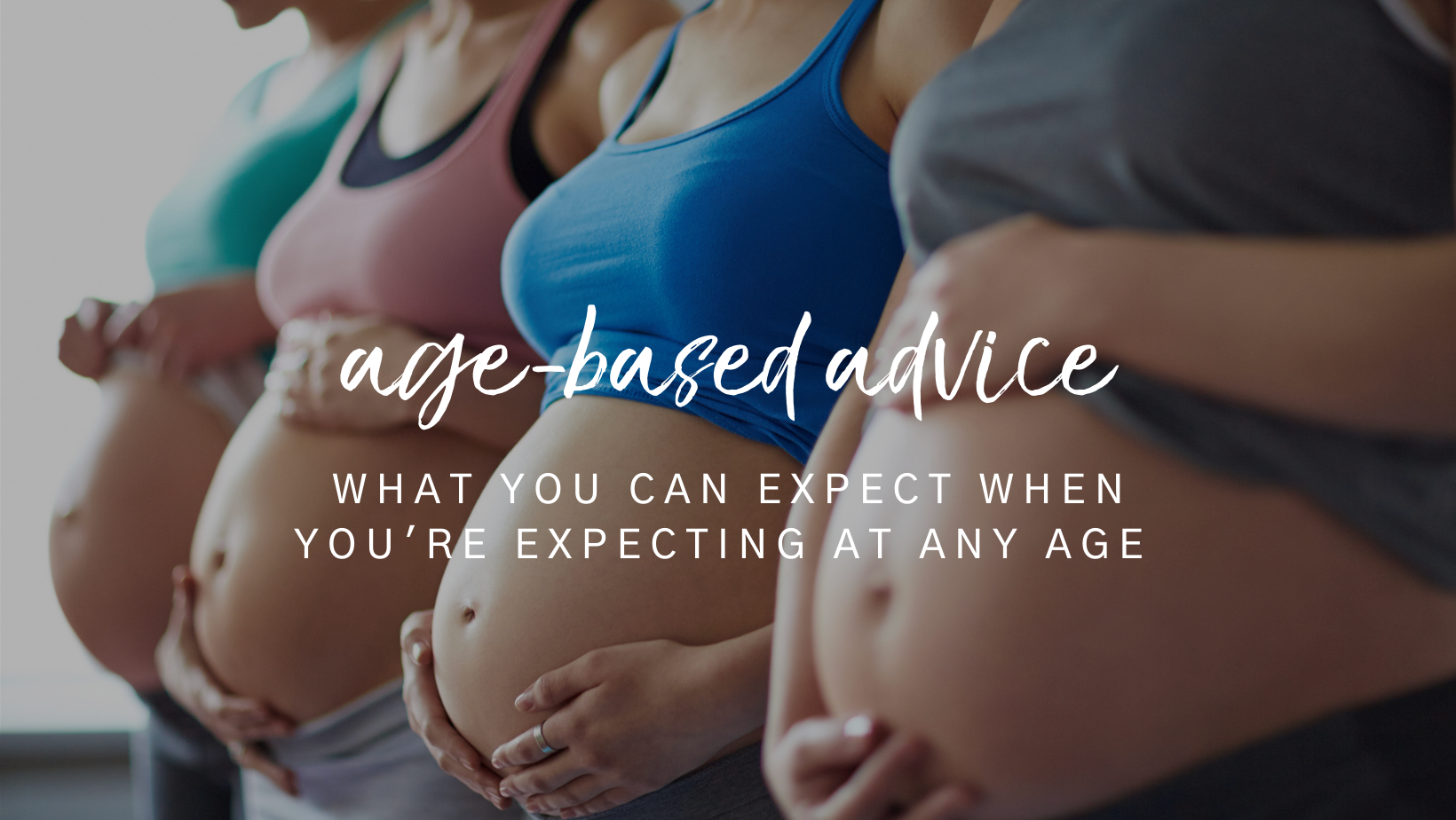
What To Expect When You’re Expecting At Any Age
There’s no “right time” to get pregnant - only what’s right for you. At the Cincinnati Birthing Center, we want to make sure that you feel supported and safe no matter where you’re at in your pregnancy. Whether you’re 25 or 35 years old when you find out you're pregnant, there’s helpful advice you can follow that can help you foster a safe, healthy, and happy pregnancy. Here’s what our expert midwives had to say
There’s no “right time” to get pregnant - only what’s right for you. At the Cincinnati Birthing Center, we want to make sure that you feel supported and safe no matter where you’re at in your pregnancy. Whether you’re 25 or 35 years old when you find out you're pregnant, there’s helpful advice you can follow that can help you foster a safe, healthy, and happy pregnancy. Here’s what our expert midwives had to say:

If you’re 25 or younger:
Medically, you have a lot of energy and strength. Because of this, it’s easy for you to run on your reserves. You need to remember to practice self care. Eat frequent meals with lots of protein. Take time out of your day to hydrate, take epsom salts baths, and connect with your baby. One of the most common complications during pregnancy at your age is anemia. Emphasize foods rich in iron such as dark leafy greens, dried fruit, eggs, meat, grass fed beef liver, dark chocolate, and tomatoes.
You also should be aware that your friend’s and family’s perception of your choices could have a bigger impact on you. Make sure that your support system is a solid one. Only allow those people who will be 100% supportive of you at your birth. Without a supportive team at your birth, you may end up having a long difficult labor, asking for an epidural against your intentions, or transferring to the hospital due pressures from your family. Talk with your midwife about your support system. If you are not sure who to have present at your birth or how to include them, your midwife or doula can help you develop a plan.

If you’re between 25-30:
Medically, your body is strong and you know how you like to feed it. You may be focused on your career or finishing school and have a routine in place. Find a nice water bottle to keep by your side. Be sure to take time out of your work routine for exercise. Take walks during your lunch break or in the evening. Go swimming on the weekends. Do yoga.
You should also be aware that you can get “in your head” and overthink things, which can cause you to have anxiety or prolong your labor. Focus on preparing your mind for labor by taking a childbirth class that teaches relaxation techniques such as hypnobirthing or hypnobabies. Listen to guided relaxations or yoga nidras on Youtube. Take time out of your day to practice deep breathing. Develop confidence in yourself - you know what’s best for yourself and your baby.

If you’re older than 30:
Medically, you may have had one or several children, or maybe this is your first. Either way, you have the mental stamina to get through whatever this child brings you. You will not have the same amount of energy as a 20 year old unless you are careful to eat a rainbow diet of fruits and vegetables, hydrate, and minimize processed foods, white flour, and white sugar. Even then, energy or sleep could be somewhat of a struggle. Talk to your midwife to see what can be done holistically to support your pregnancy and help you rest.
You also should see a chiropractor and massage therapist regularly. You may have developed habits or routines from previous pregnancies or your lifestyle that could make your pregnancy or labor more difficult. Working with a physical therapist can help you learn how to support your body throughout the pregnancy and into the postpartum. Take vitamin D and an omega 3 supplements to help reduce your chances of developing diabetes and boost your baby’s brain development.
Have more questions about your pregnancy? Contact us to set up a consultation with our team.
Simple & Healthy Pregnancy Meals To Prevent and Control Gestational Diabetes
Our team wants to take away the stress of ideating on meals and make it as easy as possible for you and your baby to eat healthy. That’s why we’ve put together a tried and true list of healthy meals to eat throughout your pregnancy that are proven to reduce nausea, prevent high blood sugar, and gestational diabetes. Learn more:
When you’re going through your first trimester of pregnancy, coming up with meal ideas can be extra tricky. One moment you’re attempting to fill your body with all the best nutrients for your baby, and the next you feel overwhelmed with nausea. Balancing cravings with nutrients can feel like a balancing act.
Our team wants to take away the stress of ideating on meals and make it as easy as possible for you and your baby to eat healthy. That’s why we’ve put together a tried and true list of healthy meals to eat throughout your pregnancy that are proven to reduce nausea, prevent high blood sugar, and gestational diabetes:

BREAKFAST
Craving somethin’ sweet? Here are few simple (and low sugar) breakfast ideas to satisfy your sweet tooth:
2 Muffins:
Sweet potato muffins
Green smoothie muffins
Smoothie (Add fiber such as chia seeds, berries, vegetables, flax seeds and protein to help balance blood sugars)
½ cup dark cherries, ½ cup almonds or 2 tablespoons almond butter, 1 cup spinach or kale, 1 cup almond milk
½ banana with 2 tablespoons peanut butter, 1 tablespoon flax or chia seeds, 1 cup unsweetened almond milk
1 cup of berries with ½ cup yogurt or kefir, 1 tablespoon of chia seeds
Chia seed pudding
Pumpkin spice
With chocolate chips, peanut butter chips, ½ banana, or berries
Other
Bowl of mixed fruit with 2 tablespoons of ground flax seeds, pumpkin seeds, or sunflower seeds (optional-add a handful of fresh spinach)
½ cup oatmeal with 1 tablespoon of flax seeds (whole or ground), 1 tablespoon nut butter, 1 tablespoon butter
“N’oatmeal” ½ cup of pumpkin seeds or flax seeds cooked like oatmeal. Add butter and honey to taste (the high amount of protein and fiber will allow for you to add some sweetener to it without raising blood sugars)
Josie Baker's Adventure bread and topping

Are you more of a savory kind of gal? Here’s a list of healthy, savory meals you can whip up for breakfast:
2 eggs and 1 piece of whole grain toast with butter, 1 slice of cheese
2 eggs, ½ cup of refried beans, salsa, avocado
Omelet with spinach or arugala
1 cup of whole fat cottage cheese with 1 slice of whole grain toast and butter
2 eggs, 2 sausage, or 3 slices of bacon
Sweet potato hash browns, 2 eggs, 1 sausage
1 avocado with lime, salt, pepper, 1 slice of whole grain toast with butter
½ avocado, ½ cup of cottage cheese, 1 slice of whole grain toast
2 eggs, bowl of fruit
Roast broccolini with serving size of buckwheat polenta or grits

LUNCH
When the middle of the day hits, it’s important to fuel your body with healthy nutrients to keep you going throughout the rest of the day. Think: highest carb meal at lunch. Pair it with protein and veggies to give you energy the rest of the day. During the first trimester, these are some options we’d recommend for lunch:
Salad with hemp hearts, chicken, beans, pumpkin seeds, tuna, or cheese
Egg or tuna salad on Mary’s Gone Crackers or other whole grain crackers, cucumbers, or celery
Quinoa with black beans, sweet potatoes, cucumber, lime dressing
Smoothie
Dinner leftovers

SNACKTIME
Now that you’re eating for two, it’s important to remember to have small snacks throughout the day (at least 1 snack a day minimum). Eat these in between meals, or right before bedtime if you have persistent nausea or high fasting blood sugars.
Some healthy snack ideas are:
Dark chocolate and almonds
2 dates with dark chocolate and pistachios or almonds
Berries
Cherries and almonds
Carrots and hummus or peanut butter
Jicama, celery, radishes, peppers with hummus
Small apple (or ½ a large apple) or pear with cheese, walnuts
root vegetable chips (beets, taro, parsnip, etc) or high fiber cracker such as Mary’s Gone Crackers with cheese or hummus
Ants on a log (celery, nut butter, raisins)
Seaweed snacks
Sweet potato with nut butter
Banana with yogurt, kefir, or nut butter
Trail mix
Pumpkin seeds
1 Muffin
Avocado drizzled with olive oil, salt, lime

DINNER
Round out your days with a wholesome dinner. Veggies, protein, and plenty of healthy carbohydrate meals are key.
Try nutrient dense meals such as:
Roasted chicken with vegetables
Stir Fry
Bunless burger
Roast with vegetables
Sausage and roast vegetables
Kale salad
Lentil Curry with coconut, sweet potato, and kale
Coconut cauliflower stew
Baked salmon with broccoli and root vegetable pure
Meatloaf with sweet potato
Bolognese sauce over spaghetti squash
Dal (lentils) with avocado, tomato, and cucumber salad
Looking for more prenatal health advice? Read our blog on immune boosters that are safe to use during pregnancy or contact us to learn more about our prenatal services. If you are trying to get your snap back after baby, check out Fitness Volt’s How-Many-Calories-Per-Day-Calculator
A Letter To Strong Women Everywhere
As we celebrate strong women everywhere this International Women’s Day, I wanted to take a moment to candidly share my motivations behind the Cincinnati Birthing Center with you. They’re deeply rooted in a passion for empowering women to grow.
Hello everyone,
As we celebrate strong women everywhere this International Women’s Day, I wanted to take a moment to candidly share my motivations behind the Cincinnati Birthing Center with you. They’re deeply rooted in a passion for empowering women to grow.
When I decided I wanted to become a midwife I knew that maternal empowerment was of utmost importance to me. Backed by a passion to improve Ohio’s maternity care, that dream eventually evolved into a Birthing Center: a safe and comfortable environment for mothers and their families to grow.
This passion originally sprouted from many experiences I had growing up as the fifth child in a family of fourteen. I had always been surrounded by babies and loved them and had a deep trust in a woman’s ability to birth and breastfeed. That trust was handed down to me from my mother, who always spoke about the normalcy of birth and openly breastfed. I am profoundly grateful to her for establishing this trust in the birthing process in me and my siblings.
However, sSome of the experiences I had were not positive. My mother and father believed that a woman’s worth was connected to her ability to have children, stay at home, and raise a family. I saw how this caused us older daughters to take on responsibilities caring for our younger siblings beyond our capabilitiesy. My mother carried ahad a deep sense of shame for having her menstrual cycle. I decided to be different.
One experience I had at the end of high school particularly helped me. In 2010, I was visiting my sister during her second pregnancy when she quickly went into labor. I ended up catching her baby, proudly proclaiming, “It’s a baby!” From that moment forward, I knew I wanted to be a midwife.
Fast forward to 2014. As I finished midwifery school and was looking for a job, I was drawn to the midwest because I knew the midwest lags behind the rest of the US in maternal and child health outcomes. I saw a job opening here and quickly learned about the infant and maternal mortality crisis in Cincinnati. I began to learn more about the racial disparities tied to maternal care in the Cincinnati community and was compelled to change them. In Cincinnati, black women are more than 2.5 times more likely to die of a pregnancy-related condition than white women. I created the Cincinnati Birthing Center to change that and to better the maternal care industry in Ohio and Kentucky.

In 2014, I earned my CPM certification and have been practicing as a home birth midwife ever since. Three years later, I became certified as an International Board Certified Lactation Consultant. Now, I regularly volunteer as a teacher of community childbirth education classes for Life Forward, lobby for the grassroots organization Buckeye Birth Coalition, and am a founder of Ohio’s chapter of the National Association of Certified Professional Midwives.
Most recently, I’ve been involved with legislative efforts to increase access to midwives and am actively serving on the Kentucky Midwives Advisory Council, which creates regulations for licensure of CPMs. In August 2020, I became the first Certified Professional Midwife to become licensed in the state of Kentucky.
Looking ahead, there is still a great deal of work to be done. My team is committed to empowering women with high-standard maternal care and resources, ensuring that both them and their families are safe and healthy. We may not know what the future of midwifery care looks like, but we’re determined to do our part to better it.
For those reading this, thank you for coming along with us on this journey of growth. We’re so grateful to be backed by such a supportive community of powerful women.
From one strong woman to another,
Meghan
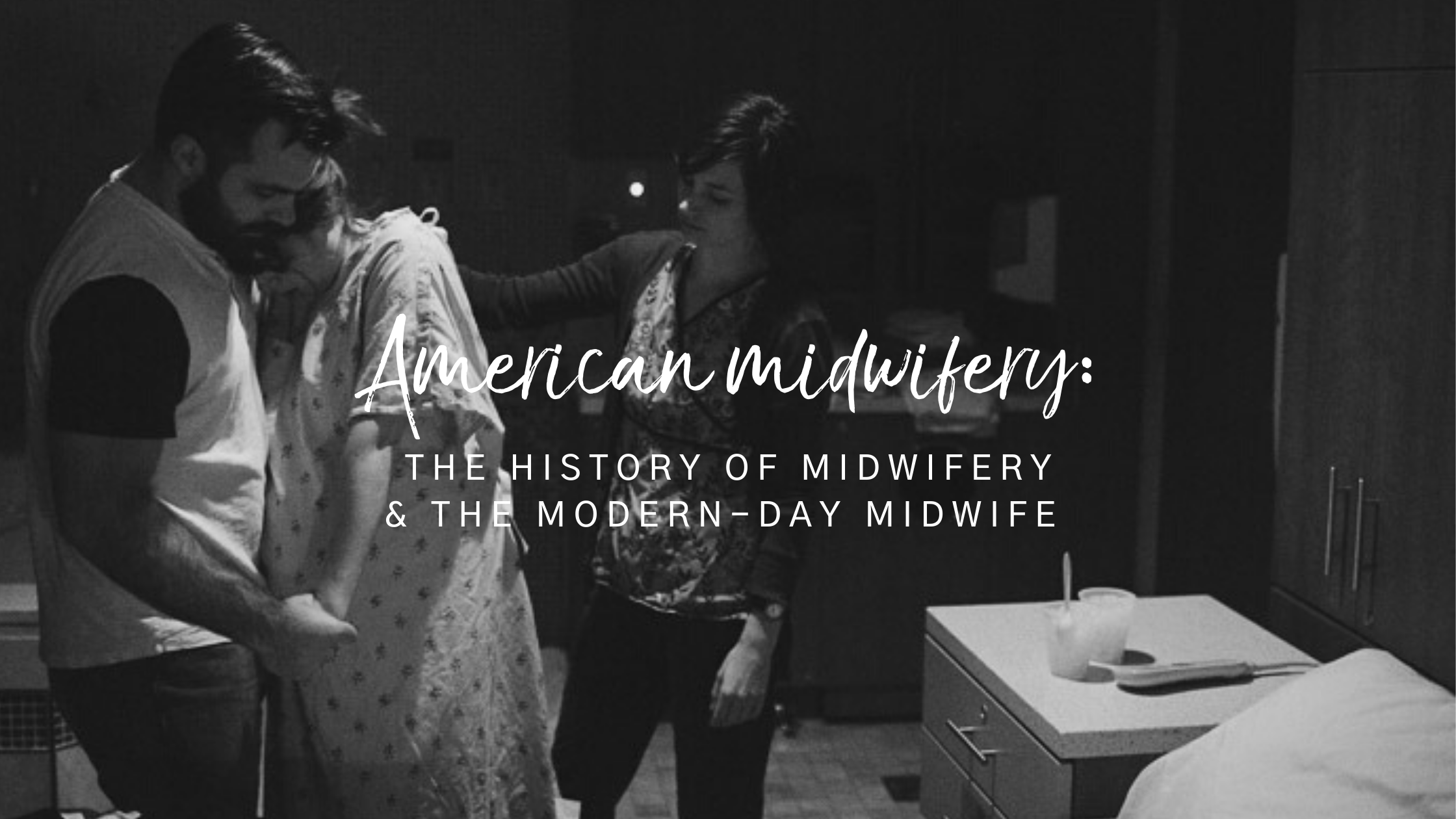
American Midwifery: The History Of Midwifery and The Modern-Day Midwife
The national midwifery norms we know today were shaped by hundreds of years worth of history within the U.S. - and they’re pretty skewed from the “norm” of other westernized nations. Around the world, midwives are a commonality. Understanding the current state of midwifery in the US requires an understanding of the industry’s history.
The national midwifery norms we know today were shaped by hundreds of years worth of history within the U.S. - and they’re pretty skewed from the “norm” of other westernized nations. Around the world, midwives are a commonality. In the UK, more than 50% of births are facilitated by a midwife and in countries such Sweden, Denmark, and France more than 75% of women opt for midwife care. By stark comparison, midwives make up less than 10% of America’s birthing care.
What’s most astounding about the United States’ maternal care is the blatant disparities in care for women of color. In America, black moms are 2-3 times more likely to die during childbirth. Additionally, less than 5% of certified midwives are colored. The racial disparities tied to maternal care are obvious and interconnected. In the words of Patricia Loftman, “Midwives of color protect women in a system that is hostile to them.”
To understand the current state of midwifery in the US, it’s important to know the industry’s history. Here’s a brief look back at the history of midwifery in the US:
The History Of Midwifery In The US
Since the dawn of human history, babies have been delivered by midwives. These women were viewed as experts and were respected for bringing their knowledge and training to childbirth. This tradition carried over to the states when North America was first discovered and served as an integral service for both immigrant and indigenous groups. As the U.S. evolved, midwifery continued to be a widespread practice, with professionals in the south known as “granny midwives.”

During America’s slave era, the nation’s midwifery care was made up of predominantly black women who helped deliver babies for black families and poor white families, many of whom were shut out from the nation’s hospital system during that time period. However, once slavery ended midwives began to lose their value in society. By the mid-to-late 1800s, professional medicine had become a widespread medical trend. Women were being directed into hospitals for their births, which were largely operated by white men.
As the popularity of hospitalized care grew, midwives began to have their professions ripped away from them. Midwives were blamed for maternal and infant deaths regularly, and some states began to outlaw at-home midwives altogether.
This continued on until the 1970s when middle class white women decided that they wanted more of a say in their maternal care options. There was then a rise in midwifery, which transformed into the modern-day midwife industry that we know today. Now, the US has a mere 15,000 certified midwives nationally, most of which are white women.
The Future Of Midwifery
While we can’t rewrite history, we can pave the way forward towards a new future. One that offers equalized care, individualized consideration, and empathy. At Cincinnati Birthing Center, we’re committed to honoring the wisdom of our ancestors, training midwives of color, and making a better path for those who come after us.
Read more about our mission here
SOURCES
Vox, ProPublica, director. The Culture War between Doctors and Midwives, Explained, Youtube, 29 May 2018, www.youtube.com/watch?v=SE34K88LUek.
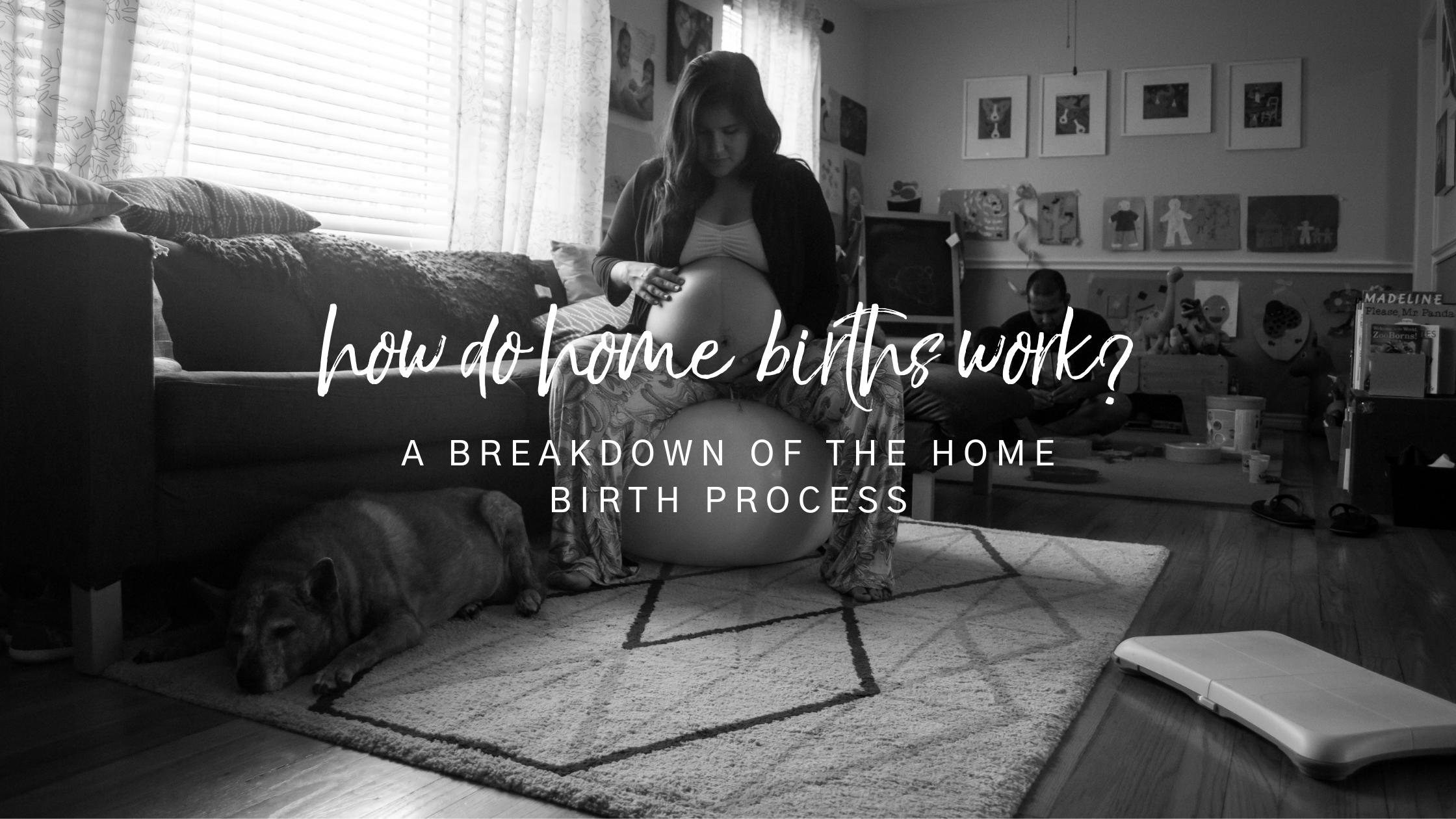
How Do Home Births Work?
Home births have many commonalities with hospital births, but they also have some distinct differences. Here is glimpse of what our home birthing process typically looks like.
If you’ve begun to consider where and how you might want to experience childbirth, an individualized experience or home birth may have piqued your interest. But you might still be asking yourself, “how do home births work?”
Home births have many commonalities with hospital births, but they also have some distinct differences. Here is glimpse of what our home birthing process typically looks like:
Before The Birth
Throughout your pregnancy, you’ll have a series of prenatal visits with a midwife (which typically last at least 45 minutes each). During these visits there is plenty of time to ask questions, discuss self-care and nutrition, and learn everything you want to know about childbirth, breastfeeding, and the local resources available.
As soon as you start experiencing early labor, our team will be in active communication with you. Once you begin to go into active labor, we’ll come to your home to prepare for the birth. ⠀⠀⠀⠀⠀⠀
The Setup
Upon arrival, we’ll begin setting up all of our things. This includes a large rolling bag filled with all of our supplies, IV fluids, and a tank of oxygen. A tray with neonatal resuscitation equipment and medications will be prepped and ready for use. If you’re interested in having a water birth, we’ll set up our birthing tub. With warm towels and blankets at the ready, we’ll get you feeling as comfortable as possible to begin the childbirth process.

Who Is There
Backed by a team of birthing experts, we’ll have a midwife, her birth assistant, and you may also have a doula on hand to assist with the birth.The midwife and doula will guide you through the birth itself, while the birth assistant will support the midwife by helping with electronic records, and being ready to assist should any complications arise. The midwife will provide monitoring services by listening to and interpreting baby heart tones using the handheld doppler. If a health condition arises, the midwife will communicate these issues to the family and assist them with the transition to the hospital.
Other than our team, who attends the birth is entirely up to you. We want you to feel as comfortable and supported as possible, which is why we encourage you to involve your partner, family, or friends if you wish to.
After The Birth
Once the baby is born, we stay at the home to help clean everything up and get your home looking like it did before we arrived. This includes starting the laundry, emptying the birth pool, and disassembling/putting back any furniture. Typically we’ll remain with the mom and baby for 3 hours or so following the birth, until both the mom and baby are stable, comfortable and settled.
In the weeks following, we offer five postpartum visits for you and your baby. These will involve a health evaluation, breastfeeding and educational support, and emotional support as you transition into motherhood.
Interested in learning more about your home birthing options? Contact us at 513-399-7263 to set up a free consultation or have your questions answered by a member of our team.
Is a Midwife Right For you? Here's 6 Reasons Why You Might Hire One
When it comes to choosing a care provider for childbirth, it can be hard to know what’s right for you - especially if you’re a first-time mother. Understanding the differences in providers and what they do is important to having a comfortable and safe birth experience. Is hiring a doula or midwife right for you? Here are six reasons why you might hire one.
When it comes to choosing a care provider for childbirth, it can be hard to know what’s right for you - especially if you’re a first-time mother. Understanding the differences in providers and what they do is important to having a comfortable and safe birth experience. Is hiring a doula or midwife right for you?
First thing’s first -
WHAT IS A DOULA?
A doula provides emotional and physical support for pregnant mothers and their families during labor. They know about birthing medical procedures and can provide families with the necessary educational information. They’re also trained in relaxation methods such as massage, acupressure, position changes, and the use of a rebozo (a shawl used for comfort).
WHAT IS A MIDWIFE?
Alternatively, midwives are the most expert care providers for providing women with low-risk pregnancies and normal births. Midwives monitor the physical, emotional, and spiritual wellbeing of their patients, newborns, and families throughout the entire maternity care cycle. Midwives understand the wide variation of what’s considered a “normal” pregnancy/birth and are trained to identify when a mother enters a non-healthy, higher-risk category, requiring increased monitoring.
Throughout labor, midwives will encourage eating, drinking, movement, position changes, and intermittent monitoring of the baby with a hand-held doppler (a gold standard for low-risk patients). Skin-to-skin contact is encouraged between the mother and baby, and after the birth midwives will provide well-baby care for the first 6 to 8 weeks of the baby’s life.
SIX REASONS TO HIRE A MIDWIFE
Now that you have a basic understanding of what a doula and a midwife are, you may still be unsure of what the benefits of working with one are.
For first-time mothers especially, there is no better way to ensure that your first birth experience is a safe, comfortable, and incredibly special one. Working with a midwife means tailoring your experience and environment to one that is uniquely yours. If that isn’t enough to convince you, here are six more reasons why you may want to consider hiring a midwife:
IT IS SAFE.
Having an at-home birth is completely safe for you and your baby. In fact, a report on birth settings in America, released in February 2020 by the National Academies of Sciences, Engineering, & Medicine, confirmed that " low-risk women choosing home or birth center birth have lower rates of intervention, including cesarean birth, operative vaginal delivery, induction of labor, augmentation of labor, and episiotomy, and lower rates of intervention-related maternal morbidity, such as infection, postpartum hemorrhage, and genital tract tearing among low-risk women compared with women choosing hospital birth."IT IS INDIVIDUALIZED.
Using a midwife offers a more individualized approach to birthing and prenatal care. Rather than support you periodically throughout the maternal process, midwives are there to guide you on healthcare and wellness practices throughout the entirety of your pregnancy. The birthing process is catered to you and your family’s needs, and the birth itself is designed to match your desires and ideal environment.YOUR PARTNER & FAMILY CAN TAKE PART.
As COVID-19 spreads in the U.S., more hospitals are limiting the number of people that can accompany a laboring person. In Cincinnati, hospitals are moving towards allowing no support people OR partners at births, meaning a laboring individual will be alone with hospital staff.
On the contrary, midwife centers are often kept separate from hospitals and COVID-19 treatment areas, making them viable locations for having family present during the birth. At-home births are another safe option in which your family and partner can attend the birth without risk of infection. Not only that, but many midwives will allow those attending your birth to take part in the experience at your request.IT CAN OPTIMIZE YOUR CHANCE FOR VAGINAL BIRTH WITHOUT INTERVENTIONS.
Our midwives have a cesarean rate of 5%. Many local hospitals do not disclose their cesarean rates. For a typical hospital their cesarean rate is between 25-30%.YOU’RE MORE LIKELY TO HAVE BREASTFEEDING SUCCESS.
Studies show interventions such as IV fluids, epidural anesthesia, and use of forceps and vacuum extraction negatively impact breastfeeding. With a midwife, the care is much different. Our team of midwives and doulas will educate you about breastfeeding during your pregnancy, support you immediately after birth, and provide counseling in the postpartum. This will give you the confidence you need for breastfeeding success. With natural birth your baby is capable of self attaching onto your breast in the first hour after birth. Midwives facilitate uninterrupted skin-to-skin contact between you and your baby in the first hours after birth creating a calm, peaceful environment for bonding.IT IS MOMENT YOU WILL REMEMBER FOREVER.
You will remember your child’s birth story for the rest of your life. By having an at-home or midwife center birth, you can ensure that your memory will be a very personal and comfortable one.
Have questions about midwifery or doulas? Please don’t hesitate to contact us and speak with a member of our team.
You're Pregnant... Now What?
Finding out that you’re pregnant can show itself in many different ways, but all of them point to the same answer. What to do next, on the other hand, can sometimes feel like a mystery. Especially for first-time mothers. There’s a lot of information out there about what you should do when you find out that you’re pregnant, but in general these are the most important next steps that you can take.

Two lines, a plus sign, “positive.” Finding out that you’re pregnant can show itself in many different ways, but all of them point to the same answer. What to do next, on the other hand, can sometimes feel like a mystery. Especially for first-time mothers.
There’s a lot of information out there about what you should do when you find out that you’re pregnant, but in general these are the most important next steps that you can take:
TAKE A MOMENT.
Learning that you’re pregnant is a monumental moment - one that you’ll likely remember for the rest of your life. Don’t forget to pause and take it all in.STAY HYDRATED.
Drinking water will be more important than ever, as it will help you get nutrients from your food to your baby and will help to prevent pregnancy symptoms such as UTIs, hemorrhoids, and constipation. If the nausea gives you aversions to plain water, try adding a squeeze of lemon or lime and pinch of salt.CONTACT YOUR PROVIDER
It’s important to contact your provider and let them know the news. If you don’t already have an OB-GYN or a Midwife, contact your primary care provider until you have determined a care provider for this pregnancy.BUILD A NUTRITIONAL PLAN
With a growing human being inside of you, you are no longer eating for one. You need enough daily nutrients to support two healthy humans, so building a nutritional plan early on is important. Starting early on in pregnancy, think protein. Protein is the building block for new tissue. Eating protein-rich foods with every meal and snack will help to stabilize blood sugars and stave off morning sickness. Examples of good protein sources include chicken, beef, eggs, cheese, yogurt, beans, nuts, hemp hearts, seeds, and dark leafy greens. Try to minimize processed foods, candies, sugar, white flour, and large quantities of fruit, as these will spike your blood sugar leading to nausea.THROW OUT YOUR VITAMINS
That’s right. Research shows most people carry a genetic mutation that makes it difficult to absorb synthetic folic acid, found in most prenatal and multivitamin supplements. Folic acid is essential for your baby’s development. Instead of synthetic vitamins, choose to support your body with food such as grass fed beef liver capsules, pregnancy tea, dark leafy greens and Juice Plus.DO YOUR RESEARCH
Are you interested in having a hospital birth, or a home birth? Have you considered using a midwife or doula? Now that you’re expecting, it’s important that you take the time to think through your birth plan and decide what type of care you feel is right for you. Take the time to find a provider who respects and listens to you.KNOW THAT EVERYTHING WILL BE OKAY.
Finding out that you’re pregnant can bring about a tidal wave of mixed emotions. It’s entirely normal to feel nervous and to have tons of questions, but trust that things will be okay.
Do you have questions about midwifery and prenatal nutrition? Contact us to learn more about your options and next steps you can take to build a birth plan.

2020 BIRTH STORIES
2020 has been a monumental year for many different reasons, but for doulas and midwives, it was the year of massive surges in at-home births. Some women had planned on delivering at home from the start, while others made the switch among the COVID-19 pandemic.
2020 has been a monumental year for many different reasons, but for doulas and midwives it was the year of massive surges in at-home births. Some women had planned on delivering at home from the start, while others made the switch among the COVID-19 pandemic.
For the Cincinnati Birthing Center, an increase in at-home births meant building special relationships with even more families within the Cincinnati community. This year, our team helped deliver 55 births, serving 59 families total (some with due dates in 2021).
“2020 was titled “The Year of the Nurse and Midwife” by the World Health Organization before it began, and boy was it ever! I saw a 300% increase in my midwife inquiries when COVID hit and was able to take on many new clients. I’m thankful for so many healthy outcomes! This year, we finished drafting regulations for Kentucky midwives and I became the first of many Licensed Certified Professional Midwives in Kentucky. Additionally, we worked with several interested parties to draft up legislation increasing access to midwives in Ohio. 2020 has been a great year for midwives and this will only continue into the future as more people become aware of the benefits of midwifery care.” - Meghan Nowland, Founder of The Cincinnati Birthing Center
Each of these birth stories creates memories that will stick with our team for a lifetime. As we reflect on this incredible year, we’re paying homage to our community the best way we know how: by sharing a few of their birth stories. Here are a handful of the 2020 birth stories that mothers chose to share with us this year:
BIRTH ON A BUS

The Cincinnati Birthing Center is committed to providing a personalized approach to every family we serve, ensuring that every mother feels safe and supported. Earlier this year, Meghan had the joy of supporting a birth in a renovated school bus. The family practices minimalism and is dedicated to spending much of their time outdoors. They renovated the bus by themselves and moved in when Mom was 36 weeks pregnant. Their baby was born a couple weeks early, so the birth made for one of the first memories the family has had on their bus. However, the family has plans to travel in their bus and make many more memories in the future.

Mom had a really healthy pregnancy, as she spent a lot of time outdoors and was active. The weather was warm, so she labored mostly outside. What made this birthing story extra special was that the 3-year-old daughter was involved through the whole birthing process. While her mom labored, she played outside, and when the baby was born, she was watching and got to see it. A cow trough turned bathtub is where the newborn made her way into the world. Dad caught the baby, so the entire family got to be involved in the birth. The 3-year-old is still nursing and was able to nurse and cuddle with the baby afterward.
⠀⠀⠀⠀⠀⠀⠀
A MIDSUMMER'S DAY

At 2:50 pm amid the heat of mid-July, Timothy Samuel was born on the bedroom floor of his home in Kettering, OH.
When his mother recounted her experience, she said:
“At 9lb 9oz and 22 inches long, he had the largest head circumference (15.125in) and longest gestation (42w5d) our midwife had seen in her 300+ births. At about 6:30 am that morning, I started feeling intense waves of contractions and contacted my doula to tell her I thought I was in labor. She quickly came over to be by my side.
A doula is a sort of like a birth coach—we had been working together for months to prepare my body, mind, and life for this experience. She has been a blessing to me and my son - his birth and my experience would not have been as magical and transformative as it has been without her love and guidance.⠀⠀⠀⠀⠀⠀⠀⠀⠀
My midwife and two of her assistants arrived at my home around 9:00 am. A midwife is different from a doula; she is a healthcare professional who specializes in childbirth and is trained to care for mothers and babies before, during, and after birth. My prenatal appointments were similar (though significantly more holistic) to what you would experience with an OB. She will continue to care for Timothy and I until he is 6 weeks old.⠀⠀⠀⠀⠀⠀⠀⠀⠀
While originally I had planned to labor in a water tub, labor escalated much quicker than I expected and we ended up not using it. By the time my midwife arrived, I was 9cm dilated. I labored in the comfort of my home – bent over at the kitchen counter, squatting in the bathroom, and then finally landed on my bedroom floor for delivery. I was surrounded, supported, and very much loved by an incredible team of four women who guided me, cheered me on, coached me, and fed me slices of apples and spoonfuls of honey when they saw I was running low on energy. My birth tribe continues to care for me with lactation support, deliveries, postpartum appointments in our home, and text message love and support.”
CREATING A “ONCE IN A LIFETIME” EXPERIENCE

Mother, Ashley, recounts her experience of giving birth to a beautiful baby boy earlier this year:
“I hope I have the right words to describe this experience. I gave birth at home in the wee hours of the morning yesterday. It was painful, primal, beautiful, and once in a lifetime (for me anyway). Here’s a quick run-down of how things happened.
On Sunday I had contractions all day, 10 minutes apart, but manageable. I thought this was just the beginning of a long few days. Then Monday morning things got stronger and I felt like I just needed my birth team here. At 3:45 am (while sobbing because of my anxiety and self-doubt) I called the midwives and doula to come. They got here at like 4:45 am roughly and gave me an exam. I was 6-7 cm with bulging waters. I was relieved because if I had only been at 1 or 2 I think I would have quit right there and gone to the hospital for an epidural. The photographer got here around 6:10 am (I didn’t call her until later because I was convinced this wasn’t really the real thing).
After the exam things just got super intense. I absolutely wanted to give up. But with my team’s encouragement, I powered through and shortly thereafter gave 2 of the strongest pushes my body could muster on my bed. He was out at 6:47 am. Pure relief.
I can’t even believe it still!! The recovery has been magical. I feel so good. So loved. The kids think he’s the cutest. I’m feeling so blessed my husband went along with my plan from the beginning and supported me fully. Thank you to everyone, and welcome Noah David Clary.
A RED-HEADED ROSE

Sara shares her at-home birthing experience of her firstborn - a little red-headed girl. She says, "Our daughter Arwen Rose came earthside on April 17th at 9:40 pm after 5.5 hours of labor, weighing 9.2 lbs and 21 inches long.
I was exhausted waiting for her to arrive and didn't believe labor was ever going to come, but it did and I think I was 3 hours into labor before I believed it was really going to happen. Brad and I are in awe and I had actually imagined a dark-haired babe even though everyone else was picturing a redhead.⠀⠀⠀⠀⠀⠀⠀
Our birth team was awesome. I can't believe the kind of support I had with my homebirth and that I actually did it. I am beyond thankful for the support I have had using Cincinnati Birth Center's services and feel that I can't recommend them enough for anyone who is considering birthing at home."
We’re so grateful for all of the births we were able to be a part of in 2020. If you’re interested in learning more about our midwife and doula services, please contact us or connect with us on social media @cincinnati.birthing.center .

Immune Boosters That Are Safe During Pregnancy
In the midst of cold & flu season, keeping our immune systems strong is at the forefront of all of our minds. But when you’re pregnant, it can be tricky to know what immune boosters are safe to use. Luckily, there are a few natural immune boosters that are pregnancy-safe.
In the midst of cold & flu season, keeping our immune systems strong is at the forefront of all of our minds. But when you’re pregnant, it can be tricky to know what immune boosters are safe to use.
Luckily, there are a few natural immune boosters that are pregnancy-safe. Here are four immune boosters that will help you to strengthen your body’s ability to fight off seasonal sickness:
1. SPEARMINT
It’s safe to use throughout your pregnancy (and with your kids), and makes for a great soothing tea. Our favorite way to get a regular dose of spearmint is by drinking it as a tea. Spearmint teas can be found at your local grocery or drugstore.

2. VITAMIN D3/K2
During the winter months, our bodies normally don’t get enough D3 from sunlight (especially in the midwest). It’s important to make sure that your body is getting at least 6,400 IU of D3 per day. This will help to prevent gestational diabetes, hypertension, colds, and the flu. Breastfeeding moms who take this amount don’t need to give their baby additional vitamin D drops, as the vitamin D will go through the breastmilk.

3. MUSHROOMS
Mushrooms contain strong antioxidants and nutrients that have proven immunological properties. We recommend incorporating reishi, maitake, and shitake mushrooms into your diet. Add them into a stir fry, roast, or saute them and eat them as a side dish.

If mushrooms aren’t your cup of tea, you can take capsules of reishi, maitake, and shitake blends as an alternative.
4. ZINC
This is an essential mineral often found in seafood, pumpkin seeds, and organ meats. We recommend eating seafood or supplementing it with grass-fed beef liver capsules during your pregnancy.

For more prenatal and postpartum nutrition tips, connect with us on Instagram at @cincinnati.birth.center. To learn how to prevent high blood pressure during pregnancy, read our recent blog post.