
Iodine's Impact on Pregnancy

In the midst of all the advice and information you receive during pregnancy, there’s an essential nutrient that shouldn’t be overlooked - iodine, a micronutrient that holds the key to cognitive development and well-being for both you and your little one. 

Why Iodine Matters

Iodine is a trace mineral found in food that supports the production of thyroid hormones and normal function of the thyroid gland. These hormones play a critical role in regulating metabolism, energy production, and the development of the baby's brain and nervous system. Iodine deficiency during pregnancy can lead to complications such as poor thyroid function, intellectual disabilities, and developmental delays in the baby [1].

Benefits of Iodine for You and Your Baby

Healthy Brain Development:

Balanced iodine levels are vital for the development of the baby's brain and nervous system [2]. An underdeveloped brain can lead to developmental delays, impaired growth, deafness, and other issues.

Thyroid Function: 

Iodine supports both yours and your baby’s thyroid gland, helping maintain a healthy metabolism and higher energy levels for both of you.

Hormonal Balance: 

Keeping enough iodine in your diet helps balance your hormones throughout pregnancy, supporting various physiological processes.

Top Food Sources of Iodine

Pregnant women should try to get around 220 micrograms of iodine each day for a healthy pregnancy [3]. And don’t forget to keep up your iodine intake while breastfeeding! Iodine passes through breast milk to baby, which means you continue to support your child’s development during your breastfeeding journey.

Remember to look at the label on your prenatal vitamin to see how much iodine you’re getting from that source. Many prenatal vitamins actually don’t provide iodine, so it’s important to make sure you are taking a vitamin that provides this important mineral.

Also, chlorinated water and fluoridated water are known to block iodine absorption, contributing to iodine deficiency and poor thyroid health. Use caution in your exposure to these chemicals.

Some food sources high in iodine to keep in your diet include:

  1. Seaweed

  2. Seafood

  3. Greek Yogurt

  4. Full-Fat Milk

  5. Eggs

  6. Lima Beans

  7. Iodized Salt

Remember: Regular table salt that's been iodized is an easy way to ensure you're getting iodine in your diet. Many people use sea salt instead of iodized salt, which isn’t iodized, and a lot of processed foods do not use iodized salt. Don’t rely solely on iodized salt for your nutritional needs, but it is a great source of the mineral to add to your diet.

Nurturing Healthy Beginnings

During pregnancy, every nutrient counts, and iodine is no exception. Keeping up a steady intake of iodine-rich foods can significantly benefit your baby's brain development and overall health. By incorporating seafood, dairy products, iodized salt, and other iodine-rich foods into your diet, you're giving your little one the best chance for a bright and healthy start. 

Visit our wholesale account at Wellevate to look for prenatal vitamins, iodine supplements such as Liquid Light minerals, and other products that match your needs.

Thyroid Guide for Moms-to-Be

You’ve probably gotten your thyroid checked before, but do you know why it’s so important to keep tabs on this particular gland?

What is the Thyroid?

Your thyroid, a small butterfly-shaped organ located in the neck, plays a crucial role in your health, especially during pregnancy. This gland is responsible for producing two main hormones: thyroxine (T4) and triiodothyronine (T3). These hormones are key to maintaining metabolism, energy production, and other essential functions such as brain development, heart rate regulation, and temperature control.

Thyroid Diseases While Pregnant

Thyroid disorders are fairly common during pregnancy, ranking as the second most common endocrine condition after diabetes [1]. During pregnancy, your body undergoes hormonal changes to support fetal growth and development, which can also affect thyroid hormone levels. It’s important to monitor your thyroid to promptly detect any abnormal fluctuations.

A family history of thyroid disease can increase the risk of a pregnant woman developing thyroid issues, and may be a sign for extra vigilance during thyroid monitoring. 

There are two main dysfunctions of the thyroid, known as hyperthyroidism and hypothyroidism:

A hyperthyroid occurs when the thyroid gland produces an excess of hormones [2]. About 1 in 100 people in the U.S. will develop hyperthyroidism, especially among women. Common symptoms to watch out for include:

  • Unexplained weight loss

  • Rapid or irregular heartbeat

  • Nervousness or anxiety

  • Increased sensitivity to heat

  • Fatigue and muscle weakness

  • Tremors

  • Changes in menstrual patterns

A hypothyroid, on the other hand, happens when the thyroid gland does not produce enough hormones [3]. Around 1 in 20 people in the U.S. are diagnosed with a hyperthyroid. Symptoms of hypothyroidism include:

  • Fatigue and weakness

  • Weight gain

  • Cold intolerance

  • Dry skin and hair

  • Constipation

  • Depression and mood swings

  • Irregular menstrual cycles

What are the Risks of Thyroid Disease While Pregnant?

Untreated thyroid disease during pregnancy can lead to unwanted complications such as:

  • Gestational Hypertension: Thyroid dysfunction may contribute to high blood pressure during pregnancy, increasing the risk of preeclampsia.

  • Preterm Birth: Pregnant women with untreated thyroid conditions may be more prone to preterm labor and delivery.

  • Miscarriage: Thyroid disorders can elevate the risk of miscarriage, particularly during the first trimester.

  • Fetal Development Issues: Thyroid hormones play a crucial role in fetal brain development. Untreated thyroid disease has been shown to sometimes impact the baby’s neurological development [4].

Managing Thyroid Health Medically and Naturally

  1. Get your thyroid tested regularly, especially if you have a personal or family history of thyroid conditions.

  2. Check with your healthcare professional if medical intervention (such as synthetic thyroid hormones) is necessary to treat your thyroid dysfunction.

  3. Maintain a balanced diet with plenty of iodine, selenium, and other essential nutrients for optimal thyroid function. 

    Selenium helps reduce thyroid antibodies and inflammation. Eating a brazil nut every day is a great way to incorporate this mineral into your diet. 

    Iodine is needed to make thyroid hormones, and a deficiency in this mineral is linked to thyroid diseases [5]. A great way to keep up a regular intake of iodine is through raw dairy, seaweed, and seafood.

  4. If you have any food intolerances, removing triggering foods such as gluten, eggs, or dairy is very important to your thyroid health.

  5. Lower your stress levels to keep your thyroid hormone levels in balance. Try relaxation techniques such as meditation or yoga to help manage stress.

  6. Try home remedies to support your thyroid health if you have the green light from your practitioner. Some common home remedies include: Evening primrose oil for anti-inflammatory properties, coconut oil for medium-chain fatty acids, or vitamin A for thyroid hormone synthesis.

Long story short, thyroid health is extremely important for pregnant women as it directly impacts both maternal and fetal well-being. By managing thyroid health with the help of healthcare professionals and adopting a balanced lifestyle, women can ensure a healthier pregnancy and a better start for their little ones!

You Need To Know About Prebiotics; Here’s Why

Much research has been coming out over the past few years about gut health and the human microbiome. Supplement companies have taken this opportunity to create a 61 billion dollar industry producing probiotics, but are they truly helpful? Recently researchers have discovered a person’s gut flora or microbiome, the mixture of bacteria that are in their gut, is set by the time a person is two or three years old. In other words, probiotics don’t actually replace the bacteria in your gut. What they can do is communicate positive messages with your gut which can result in healthy genetic changes. So how do you improve your gut health if you can’t replace the bacteria that’s already established? The answer is to incorporate prebiotic foods into your diet on a daily basis. Prebiotics are foods which your body cannot break down without the assistance of beneficial bacteria. Breastmilk is full of prebiotics to set up a child with a healthy gut.

What are examples of prebiotic foods?

The most healing prebiotic foods are garlic, onions, asparagus, artichokes, dandelion, leeks, seaweed, almonds, chicory, Jerusalem artichokes, jicama and mushrooms. In addition, oats, carrots, dark leafy greens, non-starchy squash (such as zucchini, summer, and spaghetti), plantains, green bananas, avocado, mango, pistachios, hazelnuts, sweet potatoes, and kiwi. Cooked and then cooled rice or potatoes include resistant starch which is a prebiotic food. Fiber rich foods boost gut health. These include both soluble fiber and insoluble fiber. Soluble fiber is found in foods such as nuts, oat bran, chia seeds, barley, seeds, beans, lentils, Brussel sprouts, collards, kale, parsnip, parsley, psyllium husk, beets, sweet potato, and broccoli . Insoluble fiber, which doesn’t dissolve in water, is found in foods such as wheat bran, peppers, apples with skin, pumpkin, blueberries, celery, cucumber, eggplant, radish, raspberry, spinach, strawberry, brown rice, flax, quinoa, and buckwheat groats. Incorporate some of these foods into at least two of your three meals per day.

What are examples of probiotic foods?

Probiotic foods contain live and active bacteria. It’s beneficial to include small amounts of prebiotic foods in your diet such as kefir, yogurt (check the label to ensure it includes live cultures), cheese, especially hard cheeses like cheddar and parmesan, pickles if they’re lacto-fermented and require refrigeration (Clausen’s is a good brand), kimchi, and lacto-fermented sauerkraut (check the ingredients, it should require refrigeration and not be made with vinegar). Probiotic drinks include kombucha, beet kvass, and water kefir. Read the labels because sometimes those drinks have high amounts of sugar. Another way to incorporate probiotic foods is to make salad dressings with raw vinegars or mocktails with a teaspoon of vinegar. Any type of raw vinegar works. Keep in mind that balsamic vinegar can be very high in sugar.

What about herbs and supplements?

If you’ve completed a course of antibiotics in the past few years or are struggling with chronic illness, insulin resistance, chronic yeast infections, diabetes, or autoimmune disease, you may need to incorporate additional herbs and supplements for gut healing. These may include minerals such as selenium (found in Brazil nuts), zinc carnosine, chromium, and iodine. Herbal teas such as ginger, spearmint, lemon balm, lavender, cinnamon, turmeric, fennel, licorice and thyme help to heal the gut. Green tea can help with blood sugar regulation. Gruels can be made with deglycinated licorice root powder and slippery elm bark powder which soothe the mucous membranes in the gut.

Should I still take a probiotic?

If you’re incorporating the prebiotic foods in your diet and using the herbal teas and still struggling with health issues, you can try a probiotic supplement. The most evidence-based effective probiotics I’ve seen on the market recently are Microbiome labs, especially their megaspore probiotic complete, or Orthomolecular products.

You can order minerals, herbs, and Microbiome labs or Orthomolecular products from our wholesale account through Wellevate here:

https://wellevate.me/cincinnatibirthcenter

Meet India Stringer

How long have you worked for the Cincinnati Birth Center?

The first birth I did for the Cincinnati Birth Center was in September of 2020.

What is your role within the center?

I’m the main birth assistant and a student midwife.

What brought you to the Cincinnati Birth Center?

Another midwife connected me to the Cincinnati Birth Center and I saw the opportunity to help moms.

What do you do outside of the Cincinnati Birth Center?

I'm a mom to a cool ten year old boy and I study midwifery. I like trying new restaurants.

Who is a strong woman in your life whom you look up to? Why?

My mom, Leslie Stringer. My mom is strong because I've seen her in many different roles and she always takes them on headstrong. She's super positive and optimistic and it inspires me. She's really caring. She could literally be in the worst mood ever and take care of any and everybody.

What motivates or inspires you?

I'm motivated by effort..the observation of effort in others. Even if you're showing just a little bit of effort it makes me see you are trying and realize maybe I can give a little effort too.

What inspires me is passion. Hearing other people passionate about birth made me find my own passion for it. Seeing others' passion inspires me to become passionate about something.

Share something not a lot of people know about you:

I binge watch documentaries all the time. I've slowed down recently but I'm a documentary junkie. I love serial killer documentaries, murder documentaries, animal documentaries, Ancient Aliens.

Words you live by?

“Honesty and loyalty.”

How to Choose a Pediatrician

A Pediatric provider can be a pediatrician, family practice doctor or nurse practitioner.

A good pediatric provider will do these three things:

1) Be a sounding board.

Your pediatric provider needs to be able to listen to you and provide feedback and education as you navigate the many challenging decisions you make as a parent. Many different vaccinations are recommended and you should be able to discuss each of them with your provider. They should be educated about which ones are most important and the recommended schedules.

2) Growth and weight.

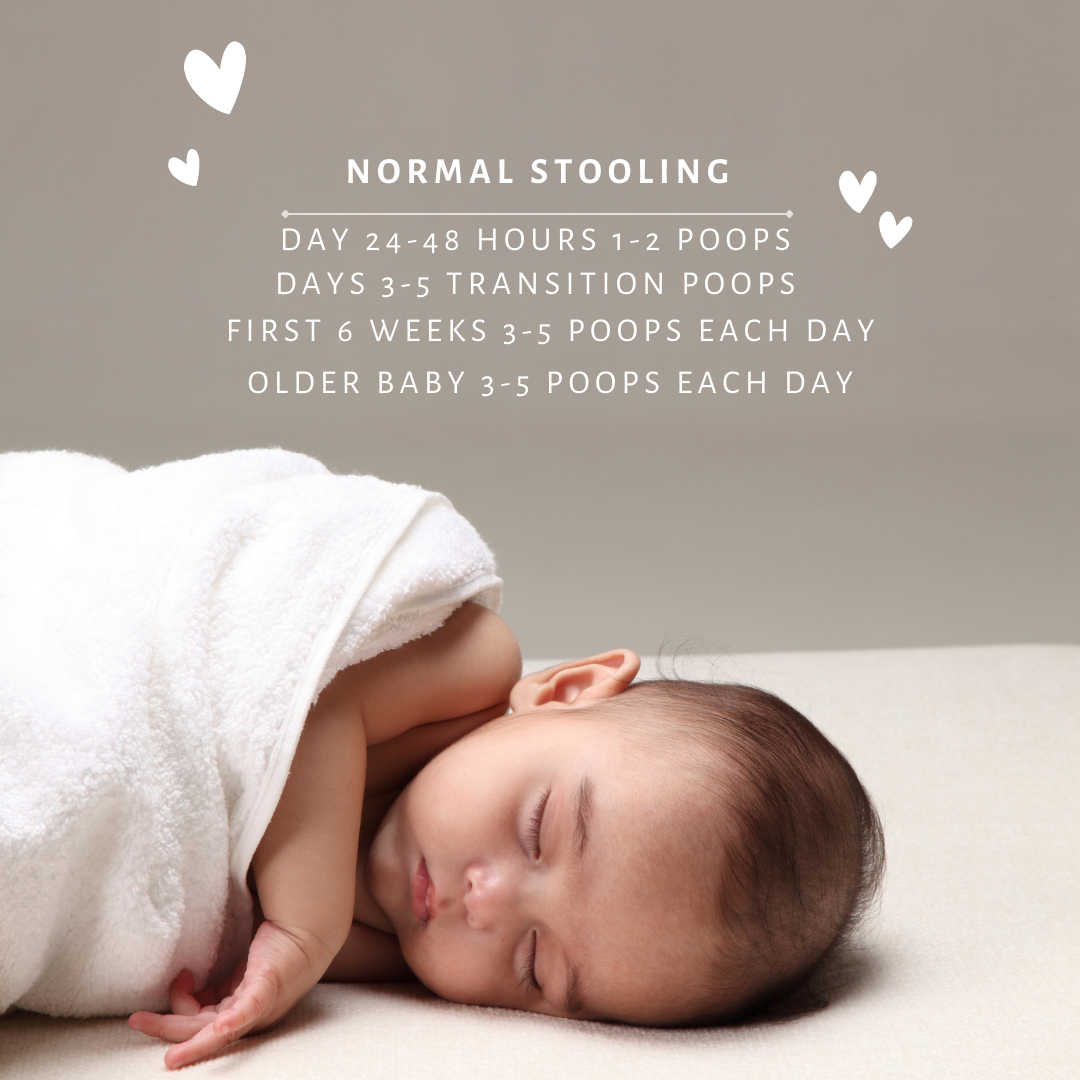
Your pediatrician needs to evaluate your child’s growth and weight according to evidence-based growth charts based on your infant’s feeding method. Formula fed babies follow a different growth pattern than breastfed babies, although the head measurements should be the same. How many wet and dirty diapers your baby has is also critical information to know your baby’s getting enough. A breastfed newborn baby should have 3-5 bowel movements each day and lots of wet diapers after the milk comes in on day three.

3) Detect rare conditions and be aggressive in pursuing diagnosis and treatment.

Although thanks to modern medicine, it is rare, some newborns will die shortly after birth. The three primary causes of death in newborns are infection, heart problems, and inborn errors of metabolism.

Infections typically start in the amniotic fluid during pregnancy or lungs before infecting the whole body, which is known as sepsis. A pediatrician needs to respond appropriately and differently between a two year old with a fever (probably okay to stay home) and a newborn with a fever (needs to go to the hospital immediately). They must understand newborn skin rashes and be able to detect whether they’re from allergens or infections. A good pediatrician understands newborn feeding habits. A newborn who has been nursing well but then refuses the breast could be very ill and should be evaluated immediately. Other newborns may have had a difficult time latching from birth because of a structural issues such as a tongue-tie and may need care from a bodyworker and pediatric dentist to release the tie. Newborn infections can progress in a matter of hours but are not as sudden and severe as heart problems.

Heart problems often have a very sudden onset. Sometimes heart problems go undetected despite the mother having anatomy scans during pregnancy and the newborn having the cardiac pulse oxygen screen performed 24 hours after birth. When the baby has a heart defect, often it will manifest at day 2-3 when the heart duct, which received oxygen from the umbilical cord in utero, closes after birth. A baby that has a heart condition may become blue or grey in color. This baby needs to be taken to the hospital immediately for urgent critical care.


Inborn errors of metabolism are rare genetic conditions which can manifest in different ways. These disorders often involve the baby’s ability to process sugars and proteins. Screening is performed by pricking the infant’s heel and taking a sample of blood on a spot card. This test should be performed after 24 hours to ensure the baby has consumed some protein but within the first 72 hours of life as it takes 5-7 days to obtain the results of this test. Individuals with these genetic conditions lack the ability to break down proteins or sugars, and if these products build up in their brain and tissues it will cause irreversible and sometimes fatal damage. Thankfully many of these serious side effects are preventable with prompt diagnosis and aggressive treatment. You should choose a pediatrician you think is knowledgeable in these conditions and who will respond aggressively when warranted.

How Much Should My Baby Poop?

How much should my baby poop in the first 24-48 hours?

Your newborn should poop within 48 hours of birth. Most babies stool shortly during or shortly after birth. The first stool is dark brown and sticky. It’s made up of a thin hair called lanugo, which covers a baby’s body and falls off during the final weeks of pregnancy. It also contains amniotic fluid, mucous, bile, and cells that have been shed by the skin and intestines. You can apply an unscented non-mineral based oil or lotion on your baby’s bottom to prevent the meconium from sticking. If your baby doesn’t stool within the first 48 hours, call your newborn’s healthcare provider immediately.

How many stools should my newborn have in the first 1-4 days?

After your baby has pooped all the meconium, it may take a day for your baby to stool again. Your breastmilk comes in on the evening of the third day after birth, sometimes longer if you had a cesarean or a lot of bleeding. If you’ve had a baby before it may come in on the second day. Doing lots of cuddling and skin to skin contact with your newborn will help your milk come in. After the milk has come in and you feel fullness in your breasts, your baby’s stools will transition from dark brown and sticky, to lighter brown, green, and then to mustard yellow. Your baby should poop 1-2 times each day and have lots of wet diapers.

How much should my newborn poop after my milk comes in?

After your milk comes in, the baby should have at least 3-5, up to 6-8 mustard colored, yellow, or brown stools a day. The stools should smell like buttered popcorn and may have a curd like appearance. For a poop to count it should be at least the size of your index finger and thumb touching together in the ok sign. It’s very important that your baby stools 3-5 times a day for the first 6 weeks postpartum. If your baby is not stooling this much, find a lactation consultant and talk with your pediatrician. With many breastfeeding challenges, small problems can lead to big ones if not dealt with promptly. Your baby may not be removing enough milk from your breast, or may have difficulty moving their bowels. Babies who are born prematurely have more difficulty moving their bowels than full term babies. A lactation consultant can help you get to the root of the problem. If the problem is due to difficulty moving bowels, strategies such as infant massage, exercises, or warm compresses can help.

Another impact on infant stooling is their gut health. We know that probiotics go through breastmilk. Mothers who are exposed to antibiotics during labor or postpartum may find that taking a quality probiotic and eating a diet rich in onions, garlic, leeks, dandelion, jicama, or Jerusalem artichokes which feed good bacteria helps their infant’s gut health to improve as well as their own.

Infant Massage is a great strategy to help your baby deal with gas and help them move their bowels

How much should older babies poop?

Many people are told that after 5-6 weeks it’s normal for newborns to store up stool and only have a bowel movement every few days, even only once per week, so long as it’s a very large bowel movement. Jennifer Tow is a lactation consultant who specializes in infant gut health and she has another perspective. Human milk is full of complex sugars that can only be digested by the bacteria in the infant’s gut. This bacteria grows after birth from the mother’s milk and results in soft and regular bowel movements. If the stool is few, green, watery, or the baby has skin issues, colic, difficulty sleeping, poor appetite and growth then consider seeking a provider who is educated in gut health and healing. Improving the mother’s gut health will improve the baby’s. You can read more about it on her website here.

Has your baby had difficulty pooping? We’d love to hear your comments!

Brain Building Pesto With Asparagus

Brain Building Pesto With Asparagus

Asparagus, parsley, and basil are rich in the anti-inflammatory antioxidant quercetin and folic acid, which nourishes the growing baby’s brain and spinal cord. Serving it over zucchini noodles increases enzymes in food to balance blood sugars. The Romano and anchovies are rich in calcium and minerals. The combination of the crunchy vegetables, tangy tomatoes, and salty Romano will have your taste buds coming back for more!

Read More

What is Baby Led Weaning?

Baby led weaning is a philosophy of introducing solid foods in a way that allows your baby to control their experience. It is very sensory. They get to fully engage in the variety of colors, flavors, and textures of food verses the “baby food” pureed method. With baby led weaning babies are eating the same foods that the rest of the family is eating. It’s affordable and easy to do. No special foods need to be prepared.

In the 1900s experts recommended introducing grain cereals to babies before other solid foods. Research has since shown the first foods babies need are iron and protein rich foods. Breastmilk is high in sugars and at nine months, the protein content of breastmilk dips slightly. Due to breastmilk’s high amount of carbohydrates, the last foods breastfed babies need added to their diet are grains and sugary foods.

Remember that introducing solid foods to your baby is just as much about their learning as it is about nutrition, so have fun with it!

What are some foods to share?

Bright colored foods are fun and packed with phytonutrients!

How do I know if my baby is ready?

  1. Age. Is my baby over 6 months old? 6 months of age doesn’t guarantee babies are ready for solids. Some may not be ready until up to 12 months old.

  2. Trunk support. Can my baby sit upright on their own?

  3. Hands to mouth. Is my baby able to bring toys to their mouth on their own?

  4. Pincer grasp. Is my baby able to grasp with their fingers? Would they be able to pinch and pick up foods?

  5. Interest in food. Are they showing interest in family meals? Have they tried to grab food when people are eating?

What meals can my family eat with our baby?

Here are some examples:

  1. Stew. Take chunks of meat and vegetables and put them on the highchair tray.

  2. Rice and beans. Give your baby a small bowl so they can pick up beans with their fingers. Add some chunks of avocado.

  3. Scrambled eggs and toast. Your baby can try egg curds and piece of toast

  4. Grilled chicken breast and vegetables. Try chicken breast strips and spears of vegetables.

  5. Roast broccoli with tofu. Give whole pieces of broccoli to hold and munch on and slices of tofu.

Check out our breastfeeding Youtube playlist below for more information and be sure to subscribe to our channel for new content!

Breastfeeding Playlist

Try this Neapolitan Pudding for Hormone Balance

Try this Neapolitan Pudding for Hormone Balance

Chia seed pudding is one of the best things you can eat to increase your fiber consumption and balance your hormones due to it’s high fiber and iron concentration. Chia seeds are naturally low in carbohydrates. The fiber works to remove excess hormones in your body and balance your blood sugars. This recipe is diabetic friendly, gluten free, and wonderful for anybody trying to lose weight, especially on the abdomen. It can be used to help ease morning sickness and relieve first trimester constipation.

Read More